Latest posts
-
Simple Ways to Reduce Fruit and Vegetable Waste

Fruits and vegetables are an important part of everyday meals, but they are also among the foods that often go to waste. A bunch of spinach may become soft before we use it. Bananas may turn too ripe. Tomatoes can become damaged, while forgotten carrots may stay in the refrigerator until they are no longer…
-
How to Prevent Cut Fruit From Browning

Fresh fruit looks colorful, juicy, and inviting when it is first sliced. However, some fruits begin to turn brown soon after cutting. Apples, pears, bananas, peaches, and avocados are common examples. This color change does not always mean that the fruit has gone bad, but it can make fresh fruit look less appealing. If you…
-
How to Wash Fruits and Vegetables Properly
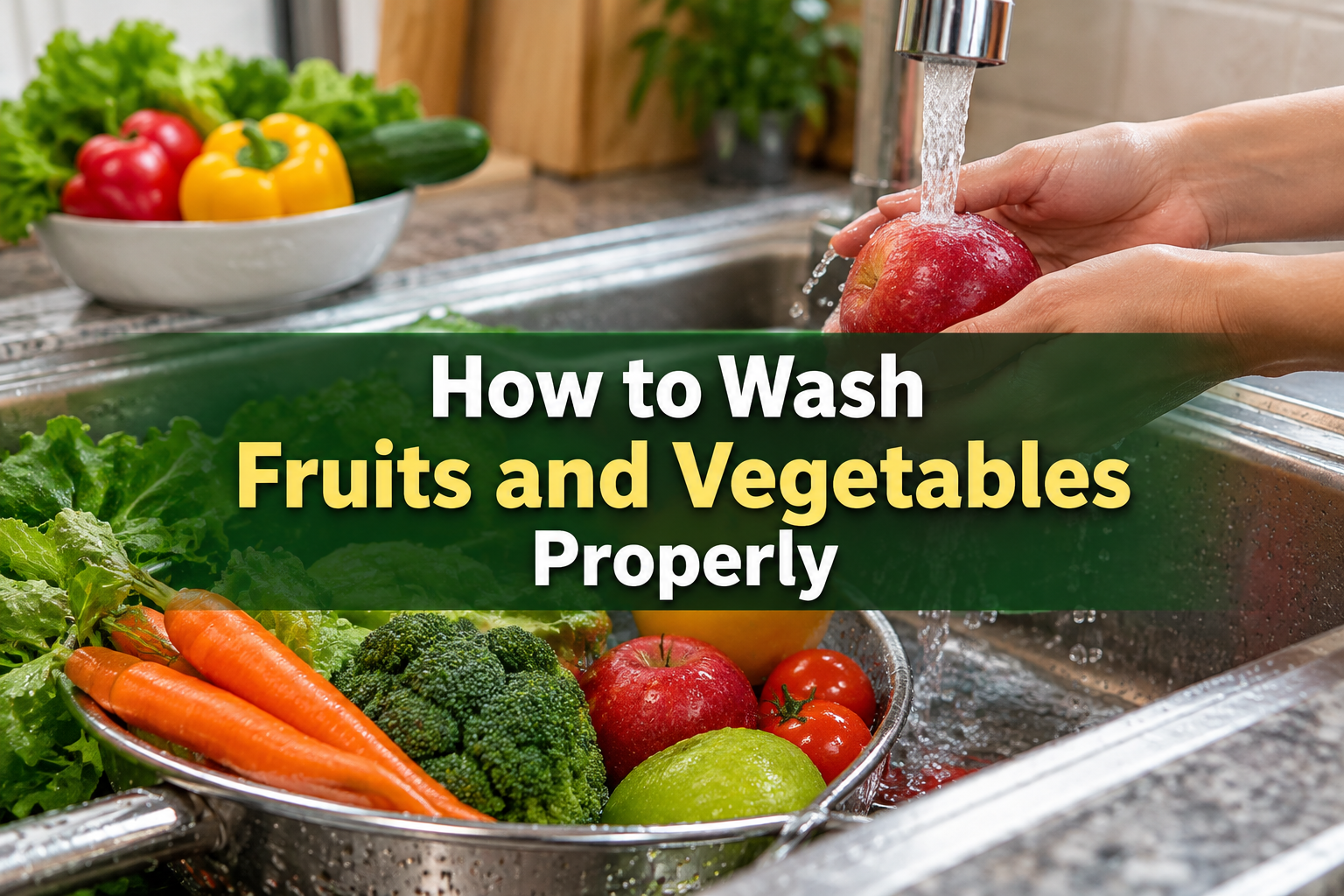
Fruits and vegetables are an important part of a healthy diet. They provide vitamins, minerals, fiber, antioxidants, and many other nutrients that support everyday health. However, fresh produce can collect soil, dust, natural debris, and microorganisms while it is grown, transported, displayed, and handled. For this reason, knowing how to wash fruits and vegetables properly…
-
Best Ways to Keep Carrots Crisp

Carrots are one of the most useful vegetables to keep in the kitchen. They can be eaten raw, added to salads, cooked in soups, used in curries, roasted with other vegetables, or enjoyed as a simple snack. Fresh carrots have a naturally firm texture and a pleasant crunch, but they can quickly become soft if…
-
How to Store Tomatoes for Better Freshness
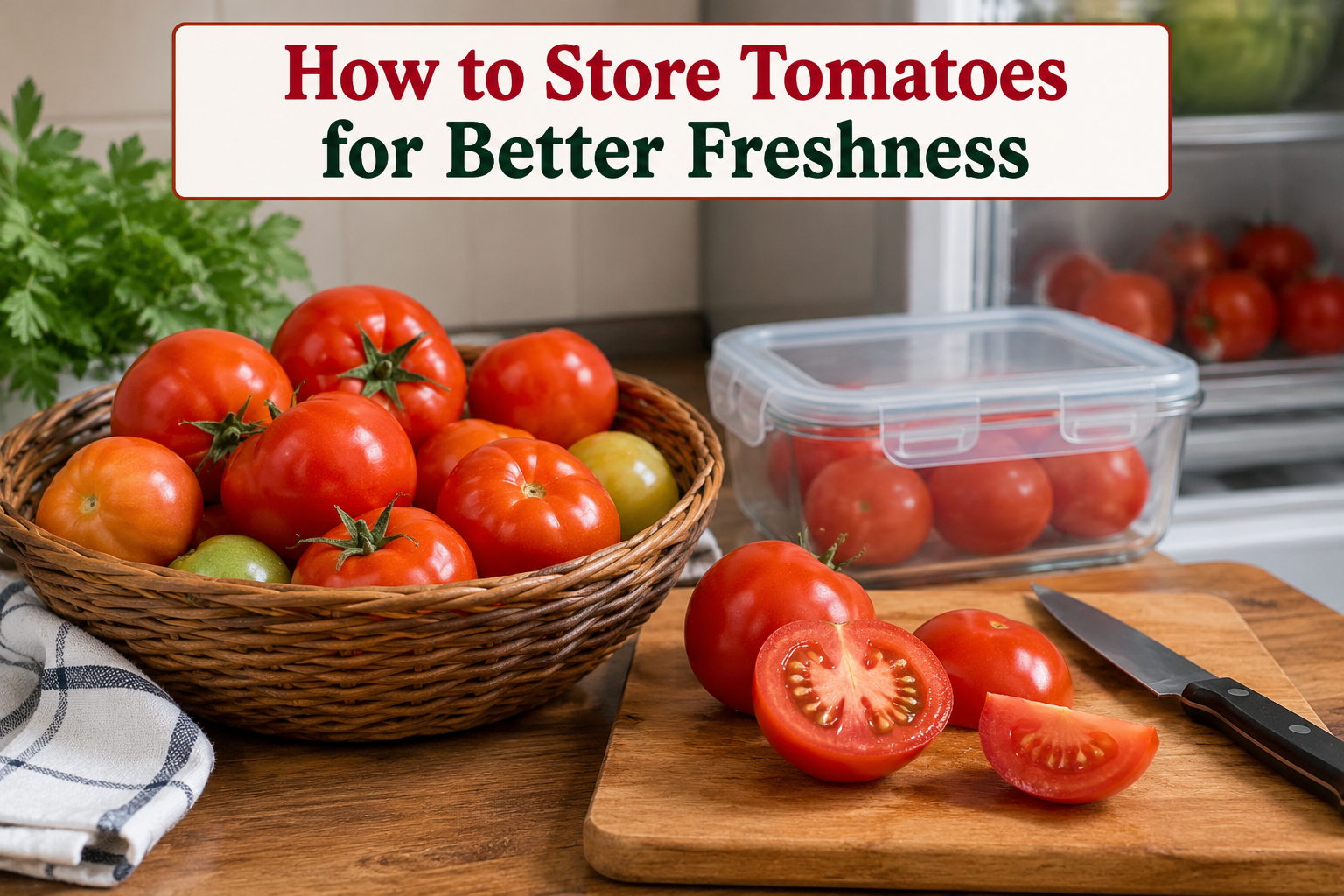
Tomatoes are one of the most common ingredients in everyday cooking. They are used in salads, sandwiches, sauces, soups, curries, pasta, and many other dishes. A fresh tomato has a pleasant aroma, firm texture, bright color, and naturally rich flavor. However, tomatoes can quickly become soft, wrinkled, watery, or spoiled when they are stored incorrectly.…
-
Simple Tips for Storing Berries Properly

Berries are among the most enjoyable fruits to keep at home. Strawberries, blueberries, raspberries, and blackberries can add fresh flavor, natural sweetness, and beautiful color to breakfast, snacks, desserts, and everyday meals. However, berries are also delicate. They can become soft, moldy, or unpleasant much faster than many other fruits if they are not stored…
-
How to Keep Leafy Greens Fresh Longer

Leafy greens are among the most useful ingredients to keep in the kitchen. Spinach, lettuce, kale, arugula, Swiss chard, collard greens, and other fresh leaves can be used in salads, sandwiches, soups, smoothies, and many everyday meals. They add color, texture, and valuable nutrients to the diet. However, leafy greens also have one common problem.…
-
Best Ways to Store Apples at Home

Apples are one of the easiest fruits to keep at home, but proper storage can make a big difference in their freshness, flavor, and texture. Many people buy several apples at once because they are convenient for breakfast, lunch boxes, snacks, desserts, and everyday meals. However, apples can lose their crispness or develop soft spots…
-
How to Pick Fresh Vegetables for Better Quality

Choosing fresh vegetables may look like a simple task, but it can make a big difference in the quality of your meals. Fresh vegetables usually have better flavor, attractive color, pleasant texture, and useful nutrients. When vegetables are selected carefully, they can also stay fresh for a longer period after you bring them home. Many…
-
How to Choose Fresh Fruits at the Grocery Store

Buying fresh fruit may look like a simple part of grocery shopping, but choosing the best fruit requires a little knowledge and attention. A fruit can look beautiful from the outside and still be unripe, overripe, dry, or damaged inside. On the other hand, a fruit with a small natural mark may be perfectly fresh…