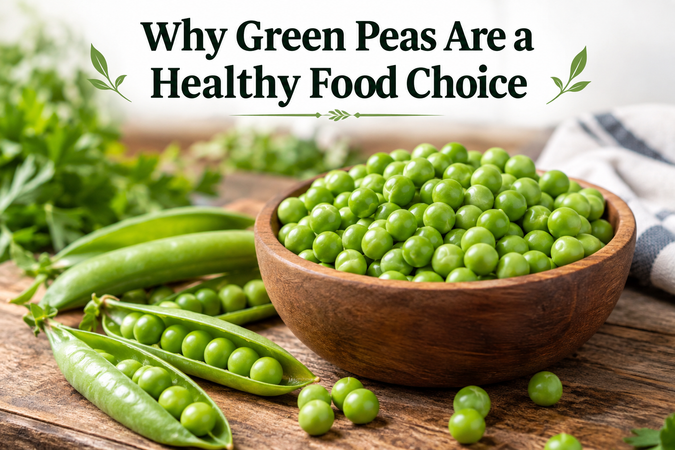
Green peas are one of those simple foods that are often present in everyday meals but do not always receive the attention they deserve. Their small size and mild sweetness can make them seem like an ordinary vegetable, yet green peas provide an impressive combination of nutrients, plant protein, fiber, vitamins, minerals, and natural antioxidants.
For people who want to build a balanced diet, green peas can be a practical and nutritious choice. They are easy to prepare, widely available, and suitable for many different dishes. They can be added to soups, rice, salads, curries, pasta, and vegetable meals without making food complicated.
One of the most interesting things about green peas is that they offer both nutrition and satisfaction. Their fiber and protein can make a meal feel more filling, while their vitamins and minerals support many normal functions of the body.
Understanding the health benefits of green peas can help us appreciate why this familiar food deserves a regular place in a healthy eating plan.
Green Peas Have an Impressive Nutritional Profile
Green peas contain several important nutrients in a relatively small serving. They provide carbohydrates for energy, plant protein for the body, fiber for digestion, and a variety of vitamins and minerals.
They are particularly known for providing vitamin C, vitamin K, folate, several B vitamins, potassium, iron, and other essential nutrients. Green peas also contain natural plant compounds that contribute to their nutritional value.
Unlike many highly processed foods, peas provide nutrition in a simple whole food form. This makes them useful for people who are trying to eat more vegetables and reduce their dependence on foods that contain large amounts of added sugar, salt, or unhealthy fats.
Their natural combination of nutrients makes green peas a versatile food for both children and adults.
A Useful Source of Plant Protein
One of the main reasons green peas stand out among vegetables is their protein content.
Protein is necessary for the growth, maintenance, and repair of body tissues. It is also involved in the production of enzymes, hormones, and other important substances within the body.
Green peas do not contain as much protein as meat, fish, eggs, or many legumes, but they provide more protein than many common vegetables.
This makes them especially useful in plant focused diets.
Vegetarians and people who simply want to eat more plant foods can combine peas with grains, beans, lentils, nuts, seeds, and other protein sources to create balanced meals.
Green peas should not necessarily be considered the only source of protein in a meal, but they can make a valuable contribution to overall daily protein intake.
Green Peas Support Healthy Digestion
Dietary fiber is one of the most important nutritional benefits of green peas.
Fiber supports the normal movement of food through the digestive system. Eating enough fiber can also help maintain regular bowel habits and support general digestive comfort.
Green peas contain fiber within their natural structure, which makes them different from highly refined foods where much of the original fiber has been removed.
Fiber also provides nourishment for certain beneficial microorganisms living in the digestive system. A varied diet rich in vegetables, fruits, whole grains, legumes, and other plant foods can support a diverse intestinal environment.
Adding peas to meals is therefore a simple way to increase dietary fiber while also gaining other important nutrients.
They Can Help You Feel Full
Green peas can be useful for people who want meals that are both nutritious and satisfying.
Their combination of fiber and protein may help create a feeling of fullness after eating. Foods that provide greater satisfaction can make it easier to maintain a balanced eating pattern throughout the day.
For example, adding peas to rice, soup, pasta, or a vegetable dish can make the meal more substantial without relying entirely on heavily processed ingredients.
However, healthy weight management depends on the overall diet, portion sizes, activity levels, sleep, and many other factors. No single food can control body weight by itself.
Green peas simply provide useful nutrients that can fit comfortably into a balanced eating routine.
Green Peas Provide Vitamin C
Green peas contain vitamin C, an important nutrient that performs several roles in the body.
Vitamin C contributes to normal immune function and is involved in the formation of collagen. Collagen is a structural protein found in the skin, blood vessels, bones, cartilage, and other tissues.
Vitamin C also acts as an antioxidant. Antioxidants help protect cells from oxidative stress caused by unstable molecules known as free radicals.
Another useful feature of vitamin C is its ability to improve the absorption of iron from plant based foods.
Eating peas with other vegetables can therefore contribute to a varied diet containing several vitamins and protective plant compounds.
A Source of Vitamin K
Green peas also provide vitamin K.
Vitamin K is important for normal blood clotting and contributes to the maintenance of normal bones. It is present in many green vegetables and should form part of a varied diet.
Green peas are not the most concentrated source of vitamin K compared with some leafy vegetables, but they can still make a useful contribution to daily intake.
People who take certain medications that affect blood clotting may need professional guidance about maintaining consistent vitamin K intake. For most people, however, vegetables containing vitamin K can be enjoyed as part of normal balanced eating.
Green Peas Contain Folate
Folate is another valuable nutrient found in green peas.
It belongs to the B vitamin family and plays an important role in cell division and the formation of genetic material. Folate is particularly important during periods of growth and development.
A diet containing folate rich foods can support overall nutritional health. Other natural sources include leafy vegetables, beans, lentils, citrus fruits, and certain fortified foods.
Including peas alongside these foods can help increase the variety of nutrients available in the diet.
Helpful Minerals in Green Peas
Green peas provide several minerals that the body requires in relatively small amounts.
One of these is iron.
Iron is needed for the formation of hemoglobin, a protein in red blood cells that helps transport oxygen throughout the body. The iron found in plant foods is absorbed differently from iron in animal foods.
Combining peas with foods rich in vitamin C can support the absorption of plant based iron.
Green peas also contain potassium. Potassium contributes to normal muscle and nerve function and plays a role in maintaining normal fluid balance.
Magnesium, phosphorus, and other minerals are also present in peas in varying amounts.
This mixture of minerals adds to the overall nutritional quality of green peas.
Green Peas Provide Natural Antioxidants
Plants naturally contain a wide range of compounds that help protect their tissues. Some of these compounds also function as antioxidants when included in the human diet.
Green peas contain vitamin C, carotenoids, and different polyphenol compounds.
Antioxidants are commonly studied because of their ability to help protect cells against oxidative stress.
It is important to remember that antioxidants work best as part of an overall healthy dietary pattern. Eating one antioxidant rich food cannot replace the benefits of consuming a wide variety of fruits, vegetables, whole grains, nuts, seeds, and legumes.
Green peas can simply be one useful part of this larger pattern.
Green Peas and Heart Friendly Eating
Green peas can fit well into a heart conscious diet because they provide fiber, potassium, plant protein, and very little saturated fat in their natural form.
Fiber rich foods are commonly encouraged as part of healthy eating patterns. Plant foods also help increase dietary variety and can replace some meals that depend heavily on foods high in saturated fat.
The way peas are prepared is important.
Boiled or lightly cooked peas are very different nutritionally from peas served with large amounts of butter, cream, salt, or rich sauces.
Preparing peas with herbs, spices, vegetables, olive oil, or other simple ingredients can help preserve the nutritional advantages of the meal.
Green Peas Provide Useful Carbohydrates
Carbohydrates are sometimes viewed negatively, but they are one of the body’s major sources of energy.
The nutritional quality of carbohydrate containing foods matters greatly.
Green peas provide carbohydrates together with fiber, protein, vitamins, minerals, and plant compounds. This makes them quite different from foods made mainly from refined flour or added sugar.
Because peas contain fiber and protein alongside carbohydrates, they can form part of a balanced meal that provides steady nourishment.
Combining them with whole grains, vegetables, and protein rich foods can produce an even more complete meal.
They Are Naturally Low in Fat
Fresh green peas are naturally low in fat.
This can make them useful for people who are trying to build meals around whole foods while keeping saturated fat intake moderate.
Low fat does not mean that all fat should be avoided. Healthy fats from foods such as nuts, seeds, olive oil, avocado, and fish can play valuable roles in nutrition.
Green peas simply provide another flexible ingredient that can be combined with healthy fat sources according to the needs of the meal.
Green Peas Are Convenient and Affordable
Healthy eating becomes much easier when nutritious foods are practical.
Green peas are usually simple to store and prepare. Fresh peas can be excellent when available, but frozen peas are also convenient because they can be kept for longer periods and cooked quickly.
Frozen vegetables can be a useful option for busy households because they reduce preparation time and food waste.
Canned peas can also be used, although it is worth checking the label because some products contain added salt. Rinsing canned peas before eating may help reduce some of the sodium on the surface.
Having peas available in the kitchen makes it easier to add vegetables to meals even when there is little time for cooking.
Fresh and Frozen Peas Can Both Be Healthy
Some people assume that only fresh vegetables are nutritious. In reality, frozen peas can also be a valuable food choice.
Vegetables intended for freezing are generally processed relatively soon after harvesting. Freezing helps preserve them for longer storage.
Fresh peas are delicious when they are seasonal and recently harvested, while frozen peas provide convenience throughout the year.
Rather than worrying too much about choosing between fresh and frozen peas, it is often more useful to focus on eating vegetables regularly and preparing them in healthy ways.
Both options can contribute to a balanced diet.
Easy Ways to Add Green Peas to Your Diet
The mild flavor of green peas makes them suitable for many different recipes.
They can be mixed into vegetable rice, added to homemade soups, combined with potatoes, included in pasta dishes, or served with carrots and other vegetables.
Peas can also be added to salads after cooking and cooling them.
Another option is to blend peas into soups or spreads with herbs, lemon, and other simple ingredients.
They work particularly well with foods such as potatoes, carrots, spinach, rice, lentils, onions, tomatoes, and whole grains.
Instead of viewing peas only as a side dish, they can be considered a flexible ingredient that increases both nutrition and texture.
Portion and Preparation Still Matter
Even nutritious foods should be eaten as part of an overall balanced diet.
Green peas contain more starch and carbohydrates than many non starchy vegetables such as cucumber, lettuce, or leafy greens. This does not make them unhealthy. It simply means that variety remains important.
A healthy plate may include several different vegetables rather than relying on peas alone.
Cooking methods are equally important.
Steaming, boiling, or gently cooking peas can keep meals simple. Large amounts of cream, butter, cheese, or salt can significantly change the nutritional profile of the final dish.
Using herbs and spices is an excellent way to improve flavor without depending heavily on salt.
Green Peas Work Well in a Balanced Diet
One of the strongest qualities of green peas is their versatility.
They provide several nutrients at the same time and can easily be combined with other healthy foods. For example, peas with brown rice and lentils create a meal containing plant protein, carbohydrates, fiber, vitamins, and minerals.
Peas can also accompany fish, chicken, eggs, or other protein sources.
There is no need to treat green peas as a special health food. Their value comes from being a simple whole food that can regularly contribute to nutritious meals.
Final Thoughts
Green peas are a healthy food choice because they provide a useful combination of plant protein, dietary fiber, vitamins, minerals, carbohydrates, and natural antioxidants.
Their fiber can support normal digestion and help meals feel more satisfying. Their protein adds nutritional value, especially in plant focused eating patterns. Vitamins such as vitamin C, vitamin K, and folate support important functions throughout the body, while minerals including iron and potassium contribute to overall nutrition.
Green peas are also affordable, convenient, easy to prepare, and suitable for many recipes. Fresh, frozen, and carefully selected canned peas can all have a place in a balanced diet.
The real benefit of green peas comes from eating them as part of a varied dietary pattern that includes fruits, vegetables, whole grains, legumes, healthy fats, and appropriate protein sources.
Simple foods are often some of the most useful foods, and green peas are a good example. They do not need complicated preparation or exaggerated health claims. Their nutritional value, flexibility, and pleasant taste make them a sensible addition to everyday meals and a dependable choice for anyone trying to eat a healthier and more balanced diet.