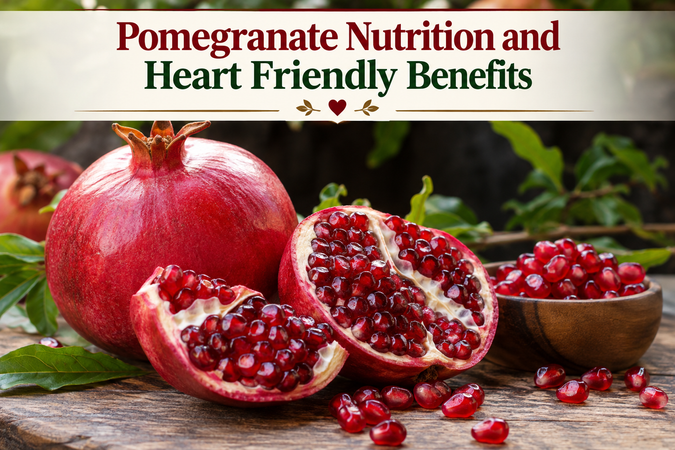
Pomegranate is one of the most attractive and nutritious fruits found in nature. Its deep red color, juicy seeds, refreshing taste, and impressive nutritional value have made it popular in many parts of the world. People have enjoyed pomegranates for centuries, not only because of their pleasant flavor but also because they can be a useful part of a balanced diet.
When I look at the nutritional qualities of pomegranate, the first thing that stands out is the variety of nutrients and natural plant compounds found in this fruit. Pomegranate contains fiber, vitamins, minerals, and antioxidants. These nutrients support several normal functions of the body. The fruit is especially interesting for people who want to follow a heart friendly eating pattern.
The heart works continuously to supply blood and oxygen throughout the body. Because of this, daily food choices can play an important role in maintaining cardiovascular wellness. Eating fruits, vegetables, whole grains, legumes, and other minimally processed foods is generally considered a sensible approach to supporting heart health. Pomegranate can fit naturally into such a diet.
Nutritional Value of Pomegranate
Pomegranate seeds, also called arils, are the edible part of the fruit. They contain juicy pulp surrounding small seeds. The seeds provide carbohydrates, dietary fiber, small amounts of protein and fat, and several vitamins and minerals.
One cup of pomegranate arils provides a useful amount of fiber. Fiber is important because it supports normal digestion and helps make meals more satisfying. Pomegranate also provides vitamin C, vitamin K, folate, and potassium.
Vitamin C contributes to normal immune function and also acts as an antioxidant. Vitamin K is involved in normal blood clotting and bone health. Folate is important for cell formation, while potassium supports normal nerve, muscle, and heart function.
The nutritional value of pomegranate makes it more than just a sweet fruit. It can add useful nutrients to breakfast, snacks, salads, yogurt, and many other everyday meals.
Pomegranate Is Rich in Antioxidants
One of the most discussed features of pomegranate nutrition is its antioxidant content. Pomegranates contain natural plant compounds known as polyphenols.
Antioxidants help the body manage oxidative stress. Oxidative stress occurs when there is an imbalance between harmful reactive molecules and the body’s ability to control them. A diet containing fruits and vegetables naturally provides many antioxidant compounds.
Pomegranate contains compounds known as punicalagins and anthocyanins. Anthocyanins are pigments responsible for the red and purple colors of many fruits.
Instead of depending on one food as a source of antioxidants, it is better to eat different colorful fruits and vegetables. Pomegranate can be one valuable addition to this variety.
Pomegranate and Heart Friendly Eating
One reason pomegranate receives attention is its potential role in a heart friendly diet. Heart health depends on many factors, including diet, physical activity, sleep, body weight, smoking habits, stress, genetics, and medical conditions.
No single fruit can protect the heart by itself. However, nutritious foods can contribute to an overall eating pattern that supports cardiovascular wellness.
Pomegranate is naturally low in saturated fat and provides beneficial nutrients without the heavy amounts of sodium often found in highly processed foods. When eaten as whole arils, it also supplies dietary fiber.
Replacing highly processed snacks with fresh fruit such as pomegranate may be a simple way to improve overall food quality.
Potassium and Normal Blood Pressure
Potassium is an important mineral found in pomegranate. The body requires potassium for normal muscle contractions, nerve communication, and fluid balance.
Potassium also plays a role in maintaining healthy blood pressure. Diets containing potassium rich fruits and vegetables are commonly associated with heart friendly eating patterns.
At the same time, blood pressure is influenced by many factors. Sodium intake, physical activity, stress, weight, genetics, and existing health conditions can all make a difference.
Pomegranate should therefore be seen as one useful food among many rather than as a treatment for high blood pressure.
People with kidney disease or other conditions that affect potassium levels may need personalized dietary guidance from a qualified healthcare professional.
Fiber Supports Cardiovascular Wellness
Dietary fiber is another reason whole pomegranate can be a valuable food.
Fiber supports digestive health, but its benefits are not limited to digestion. A diet rich in fiber from fruits, vegetables, beans, whole grains, nuts, and seeds is widely considered supportive of cardiovascular health.
Fiber can also improve fullness after meals. This may help people create more balanced eating habits and manage portion sizes.
Whole pomegranate arils contain fiber because the small seeds are eaten along with the juicy outer portion. Pomegranate juice, however, usually contains much less fiber.
For this reason, eating the whole fruit often provides greater nutritional value than drinking only the juice.
Pomegranate and Cholesterol Friendly Food Choices
Cholesterol is necessary for normal body functions, but unhealthy cholesterol patterns can increase cardiovascular risk.
The overall quality of the diet has a major influence on cholesterol management. Diets that contain plenty of plant foods and limited amounts of saturated and trans fats are generally considered more heart friendly.
Pomegranate itself contains almost no saturated fat. This makes it suitable for meals designed around fruits, vegetables, whole grains, legumes, nuts, and seeds.
It is important to understand that pomegranate is not a replacement for cholesterol medication or professional medical advice. Its role is nutritional. It can contribute to a balanced eating pattern that supports overall wellness.
Vitamin C and Cellular Protection
Pomegranate provides vitamin C, an essential water soluble vitamin that performs several important functions in the body.
Vitamin C supports the immune system and is involved in collagen production. Collagen is important for skin, blood vessels, bones, and connective tissues.
Vitamin C also contributes to antioxidant protection. This makes pomegranate a useful addition to a diet containing other vitamin C rich foods such as oranges, guava, strawberries, tomatoes, and bell peppers.
Eating different sources of vitamins is better than relying heavily on only one fruit.
Folate in Pomegranate
Folate is another nutrient naturally present in pomegranate. It is especially important for DNA formation, cell division, and red blood cell production.
Folate is needed throughout life, although adequate intake becomes particularly important during periods of rapid growth.
Pomegranate can contribute a portion of daily folate intake, but it should be combined with other folate rich foods such as leafy green vegetables, beans, lentils, and certain fortified grains.
This again shows why nutritional variety matters.
Pomegranate Can Support Digestive Health
Pomegranate arils contain dietary fiber that supports normal bowel function.
Fiber helps food move through the digestive system and supports regularity. It can also serve as a food source for some beneficial microorganisms living in the digestive tract.
A healthy digestive system depends on more than one type of food. Drinking enough water and eating vegetables, fruits, legumes, and whole grains also contribute to normal digestion.
Adding pomegranate seeds to meals is an easy way to increase both flavor and fiber.
A Naturally Sweet Snack
Many packaged snacks contain large amounts of added sugar, salt, refined flour, or unhealthy fats.
Fresh pomegranate provides natural sweetness without needing added sugar. This makes it a satisfying option when a person wants something sweet after a meal or during the day.
A bowl of pomegranate seeds can be combined with plain yogurt, oatmeal, nuts, or other fruits. Such combinations can provide a mixture of carbohydrates, fiber, protein, vitamins, minerals, and healthy fats.
This kind of snack is usually more nutritionally balanced than sweets or heavily processed desserts.
Whole Pomegranate Versus Pomegranate Juice
Both pomegranate seeds and pomegranate juice are popular, but they are nutritionally different.
Whole pomegranate arils contain fiber. Juice generally contains little fiber because much of the solid material is removed during processing.
It is also easier to consume a large amount of fruit sugar quickly when drinking juice. A glass of juice may contain the juice of several pieces of fruit, while eating whole fruit usually takes longer and feels more filling.
Unsweetened pomegranate juice can still be included in a balanced diet, but portion size matters.
For everyday nutrition, whole pomegranate is usually the better option because it provides fiber and encourages slower eating.
Easy Ways to Eat More Pomegranate
Pomegranate can be used in many simple meals without complicated preparation.
Fresh arils can be added to oatmeal in the morning. They also work well in plain yogurt with nuts and seeds.
Pomegranate can add sweetness and texture to green salads. It pairs especially well with leafy vegetables, cucumber, carrots, walnuts, and other fresh ingredients.
The seeds can also be added to fruit bowls, smoothies, whole grain dishes, or homemade desserts.
Some people enjoy eating them directly with a spoon. This may be the simplest way to enjoy the natural taste and nutritional value of the fruit.
Pomegranate and Weight Conscious Eating
Maintaining a healthy body weight is another factor associated with cardiovascular wellness.
Pomegranate is not a weight loss food in a magical sense. However, whole fruits can be useful in a balanced weight management plan because they provide water, fiber, and natural sweetness.
Fiber rich foods tend to be more satisfying than highly refined snacks. Eating satisfying foods may help reduce unnecessary snacking later in the day.
The best approach is to focus on overall eating patterns rather than expecting one fruit to control weight.
Can Pomegranate Be Eaten Every Day?
For most healthy people, pomegranate can be included regularly as part of a varied diet.
The amount depends on individual calorie needs, meal patterns, and personal preferences.
It is unnecessary to eat very large quantities to receive nutritional benefits. A moderate serving of pomegranate alongside other fruits can help provide variety.
People taking medications or living with certain medical conditions should follow dietary guidance from their doctor or registered dietitian, especially when making major changes to their usual diet.
Choosing and Storing Pomegranates
A good pomegranate usually feels heavy for its size. The weight suggests that the fruit contains plenty of juicy arils.
The skin may vary slightly in appearance depending on the variety. Minor surface marks do not always indicate poor quality.
Whole pomegranates can usually be stored for some time in a cool environment. Once the seeds are removed, they should be kept covered in the refrigerator.
Preparing several servings at once can make the fruit easier to use during busy days.
The Importance of an Overall Heart Friendly Lifestyle
Although pomegranate nutrition is impressive, heart health cannot be built around one ingredient.
A heart friendly lifestyle normally includes a balanced diet, regular movement, adequate sleep, stress management, and avoidance of smoking.
Meals should contain a wide range of fruits and vegetables. Whole grains, beans, lentils, nuts, seeds, and appropriate protein sources can also contribute valuable nutrients.
Foods high in excessive salt, added sugar, saturated fat, and highly refined ingredients are generally better consumed in moderation.
Pomegranate fits well into this broader approach because it offers natural sweetness, fiber, potassium, vitamins, and antioxidant plant compounds.
Final Thoughts
Pomegranate is a nutritious fruit that can easily become part of a healthy and heart friendly eating pattern. Its bright red arils provide fiber, vitamin C, vitamin K, folate, potassium, and a variety of natural antioxidant compounds.
The heart friendly benefits of pomegranate are best understood as part of an overall balanced lifestyle. Eating pomegranate cannot replace medical treatment, exercise, or healthy daily habits. What it can do is contribute valuable nutrients while helping people enjoy more whole, minimally processed plant foods.
Eating the whole arils is generally more nutritious than depending mainly on pomegranate juice because the seeds provide beneficial dietary fiber. Pomegranate can be enjoyed alone or added to yogurt, oatmeal, salads, fruit bowls, and many other meals.
The most practical lesson is simple. Good nutrition does not depend on one miracle food. It comes from choosing a variety of nourishing foods consistently. Pomegranate deserves a place in that variety because it combines appealing flavor with useful nutrients and naturally occurring plant compounds.
When included with other fruits, vegetables, whole grains, legumes, nuts, and healthy foods, pomegranate can help make everyday meals more colorful, satisfying, and nutritionally balanced.