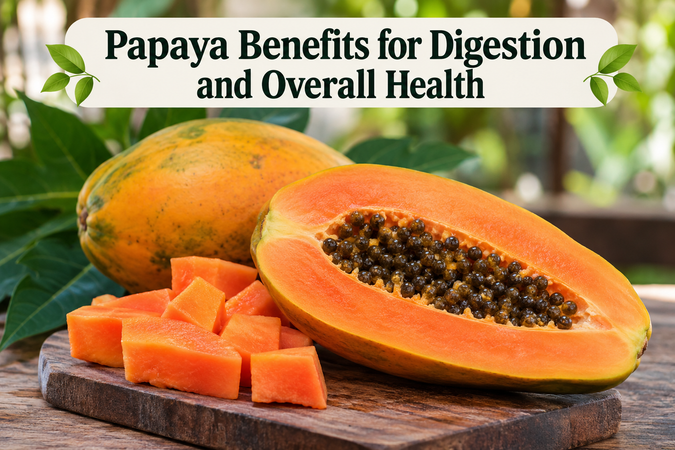
Papaya is a soft, sweet, and refreshing tropical fruit that has been enjoyed in many parts of the world for generations. Its bright orange flesh, mild sweetness, and smooth texture make it an easy fruit to include in everyday meals. Beyond its pleasant taste, papaya provides several important nutrients that can support digestion and general wellness.
One of the main reasons papaya receives attention in healthy eating is its natural digestive enzyme called papain. This enzyme helps the body break down proteins during digestion. Papaya also provides dietary fiber, vitamin C, vitamin A, folate, potassium, and several protective plant compounds.
The benefits of papaya are not limited to digestion. Regularly including fruits such as papaya in a balanced diet may support the immune system, skin, heart, eyes, hydration, and normal bowel function.
Understanding the nutritional value of papaya can help us appreciate why this simple fruit can be a useful part of a healthy lifestyle.
Nutritional Value of Papaya
Papaya contains a useful combination of water, natural carbohydrates, fiber, vitamins, minerals, and antioxidants.
It is especially rich in vitamin C. Vitamin C plays an important role in normal immune function, collagen production, wound healing, and protection of cells from oxidative stress.
Papaya also contains vitamin A related compounds called carotenoids. These natural pigments give the fruit its orange color and contribute to normal eye, skin, and immune health.
Another important nutrient found in papaya is folate. Folate is involved in the formation of new cells and normal body functions. Potassium is also present and contributes to normal muscle and nerve function.
Papaya is naturally high in water, which makes it a refreshing choice during warm weather. Its moderate natural sweetness can also make it a useful alternative to highly processed desserts.
Papaya Benefits for Digestion
Among the most discussed papaya benefits is its role in digestion.
Papaya contains papain, a natural enzyme that assists in breaking proteins into smaller components. Protein digestion normally begins in the stomach and continues through the digestive system. Enzymes are necessary for this process, and papain is one reason papaya has traditionally been associated with easier digestion.
Eating ripe papaya as part of a balanced meal may feel light and comfortable for many people. Since it is soft and contains a large amount of water, it can also be easier to eat than some heavier foods.
However, papaya should not be considered a treatment for serious digestive problems. Long lasting abdominal pain, severe constipation, diarrhea, or other digestive symptoms should be discussed with a qualified healthcare professional.
Papaya Provides Dietary Fiber
Fiber is another major reason papaya can support digestive health.
Dietary fiber adds bulk to stool and supports normal movement of food through the digestive system. Eating enough fiber from fruits, vegetables, whole grains, legumes, nuts, and seeds is an important part of maintaining healthy bowel habits.
Papaya offers both water and fiber, which can be a helpful combination for people trying to improve the overall quality of their diet.
Instead of relying on one particular food for digestion, it is better to eat a variety of fiber rich foods throughout the day. Papaya can easily be one of those foods.
Papaya May Support Regular Bowel Movements
Healthy bowel movements depend on several factors, including adequate fiber, water intake, physical activity, and overall diet.
Because papaya contains water and fiber, it may support normal bowel regularity when eaten as part of a nutritious diet.
For example, adding ripe papaya to breakfast along with oatmeal, yogurt, or whole grain foods can increase the total amount of fruit and fiber in the meal.
People who suddenly increase their fiber intake should usually do so gradually and drink enough water. A rapid increase in fiber may sometimes cause temporary gas or bloating.
Papaya Supports Hydration
Water is essential for nearly every function in the human body. It helps regulate body temperature, transport nutrients, support circulation, and maintain normal digestion.
Papaya has a naturally high water content, making it a refreshing fruit that can contribute to daily fluid intake.
Of course, fruit should not replace drinking water. However, eating water rich fruits such as papaya, watermelon, oranges, cucumber, and berries can contribute to an overall hydrating diet.
Papaya can be especially enjoyable during hot weather because it provides both fluid and important nutrients.
Papaya Is Rich in Vitamin C
One of the strongest nutritional features of papaya is its vitamin C content.
Vitamin C is an antioxidant that helps protect cells from damage caused by unstable molecules called free radicals. It also supports normal immune system activity.
Another important function of vitamin C is collagen production. Collagen is a structural protein found in the skin, blood vessels, bones, and connective tissues.
Eating vitamin C rich foods regularly is therefore important for general health.
Papaya, citrus fruits, strawberries, kiwi, bell peppers, and several vegetables are excellent dietary sources of vitamin C.
Papaya May Support Immune Health
The immune system requires many nutrients to work properly.
Papaya provides vitamin C, vitamin A related compounds, folate, and several antioxidants. These nutrients contribute to normal immune system function when consumed as part of a balanced diet.
No single fruit can prevent every illness or guarantee strong immunity. The immune system depends on overall nutrition, sleep, physical activity, stress management, and many other lifestyle factors.
Still, choosing nutrient rich foods such as papaya is a simple way to improve the nutritional quality of everyday meals.
Papaya Contains Powerful Antioxidants
Papaya contains several natural antioxidant compounds, including carotenoids.
Antioxidants help the body manage oxidative stress. Oxidative stress occurs when the balance between free radicals and the body’s protective systems becomes disturbed.
A healthy diet containing many colorful fruits and vegetables provides different types of antioxidants.
The orange color of ripe papaya indicates the presence of carotenoid pigments. Eating a variety of colorful plant foods is often recommended because different colors usually represent different combinations of beneficial plant compounds.
Papaya May Support Eye Health
Papaya contains nutrients related to eye health, including carotenoids and vitamin A related compounds.
Vitamin A is important for normal vision. A balanced diet that provides sufficient vitamin A and other nutrients can support the normal structure and function of the eyes.
Papaya can be combined with other eye friendly foods such as carrots, leafy green vegetables, eggs, sweet potatoes, and colorful fruits.
It is important to remember that healthy vision depends on overall nutrition and proper eye care rather than one specific food.
Papaya Benefits for Skin Health
Healthy skin requires adequate nutrition.
Papaya provides vitamin C, which is needed for normal collagen formation. Collagen helps maintain the structure of the skin.
Papaya also provides carotenoids and other antioxidants that contribute to a nutrient rich diet.
Many people focus heavily on skincare products while forgetting that everyday food choices also influence nutritional status. Eating vegetables, fruits, healthy fats, whole grains, and quality protein provides the body with nutrients needed for normal skin maintenance.
Papaya can be a tasty part of that balanced approach.
Papaya and Heart Health
Papaya can fit naturally into a heart conscious diet because it contains fiber, potassium, antioxidants, and very little saturated fat.
Potassium is an essential mineral involved in normal nerve and muscle function. A balanced eating pattern containing potassium rich foods is generally considered important for cardiovascular health.
Fiber rich foods are also commonly recommended as part of a heart healthy lifestyle.
However, heart health depends on the total diet. Eating papaya while regularly consuming large amounts of highly processed foods will not provide the same benefit as following an overall balanced eating pattern.
Papaya Can Support Healthy Weight Management
Papaya can also be useful for people trying to maintain a healthy body weight.
It contains a large amount of water while providing natural sweetness and dietary fiber. This makes it a satisfying alternative to many desserts that contain large quantities of added sugar and fat.
A bowl of chilled papaya can satisfy a desire for something sweet without requiring heavily processed ingredients.
Weight management still depends on total calorie intake, activity level, sleep, individual metabolism, and overall dietary habits.
Papaya is not a weight loss medicine, but it can certainly be part of a nutritious eating plan.
Papaya May Help Improve Diet Quality
One of the simplest benefits of papaya is that it encourages greater fruit consumption.
Many people struggle to eat enough fruits and vegetables every day. Adding papaya to breakfast, snacks, smoothies, or fruit bowls can increase the variety of plant foods in the diet.
Dietary variety matters because different foods provide different nutrients.
Instead of eating only apples or bananas every day, including papaya, berries, oranges, melon, mangoes, and other fruits creates a wider nutritional profile.
How to Eat Papaya
Ripe papaya is simple to prepare.
Wash the outside first. Cut the fruit lengthwise and remove the black seeds with a spoon. The orange flesh can then be scooped out or cut into cubes.
Papaya can be eaten alone or combined with other foods.
It tastes delicious with plain yogurt, oatmeal, chia seeds, nuts, or other fresh fruits. A small amount of lime or lemon juice can also complement its natural sweetness.
Papaya can also be blended into smoothies, although eating whole fruit generally provides a more satisfying texture and encourages slower eating.
Best Time to Eat Papaya
There is no single perfect time to eat papaya.
Some people enjoy it in the morning because it feels light and refreshing. Others prefer it as an afternoon snack or as a naturally sweet dessert after a meal.
The best time depends mainly on personal preference, digestive comfort, and daily eating habits.
What matters most is including nutritious foods consistently rather than searching for a specific hour when a fruit suddenly becomes more beneficial.
Ripe Papaya Versus Unripe Papaya
Ripe papaya has soft orange flesh and a naturally sweet flavor. This is the type most commonly eaten fresh.
Unripe papaya is firmer and less sweet. It is used as a vegetable in certain cuisines and is often cooked before eating.
People should also remember that individual reactions can vary. Anyone with known food allergies or specific medical concerns should follow advice from a qualified healthcare professional regarding appropriate foods.
Making Papaya Part of a Balanced Diet
Papaya works best when it is one part of a varied eating pattern.
A healthy diet should include vegetables, fruits, whole grains, protein rich foods, healthy fats, and enough water.
For breakfast, papaya can be served with oatmeal and yogurt.
For a snack, a bowl of chilled papaya with a few nuts can provide both freshness and satisfaction.
For dessert, fresh papaya can replace foods that contain large amounts of added sugar.
Simple choices like these can gradually improve overall diet quality without making healthy eating feel complicated.
Final Thoughts
Papaya is a nutritious tropical fruit that offers several benefits for digestion and overall health. Its combination of water, dietary fiber, vitamin C, carotenoids, folate, potassium, and natural digestive enzymes makes it a valuable addition to a balanced diet.
The presence of papain is especially interesting because this enzyme helps break down proteins during digestion. At the same time, the fiber and water in papaya can contribute to normal bowel function and digestive comfort.
Beyond digestion, papaya provides nutrients that support normal immunity, skin health, eye health, hydration, and general wellbeing.
The greatest advantage comes from eating papaya as part of a wider healthy lifestyle rather than expecting one fruit to solve every health concern.
A balanced diet does not need to be complicated. Simple whole foods often provide exactly what the body needs. Adding fresh papaya to breakfast, snacks, or desserts is an easy and enjoyable way to increase fruit intake while benefiting from its valuable nutrients.
For anyone looking for a naturally sweet, refreshing, and nutrient rich fruit, papaya is an excellent choice that can easily become part of everyday healthy eating.