
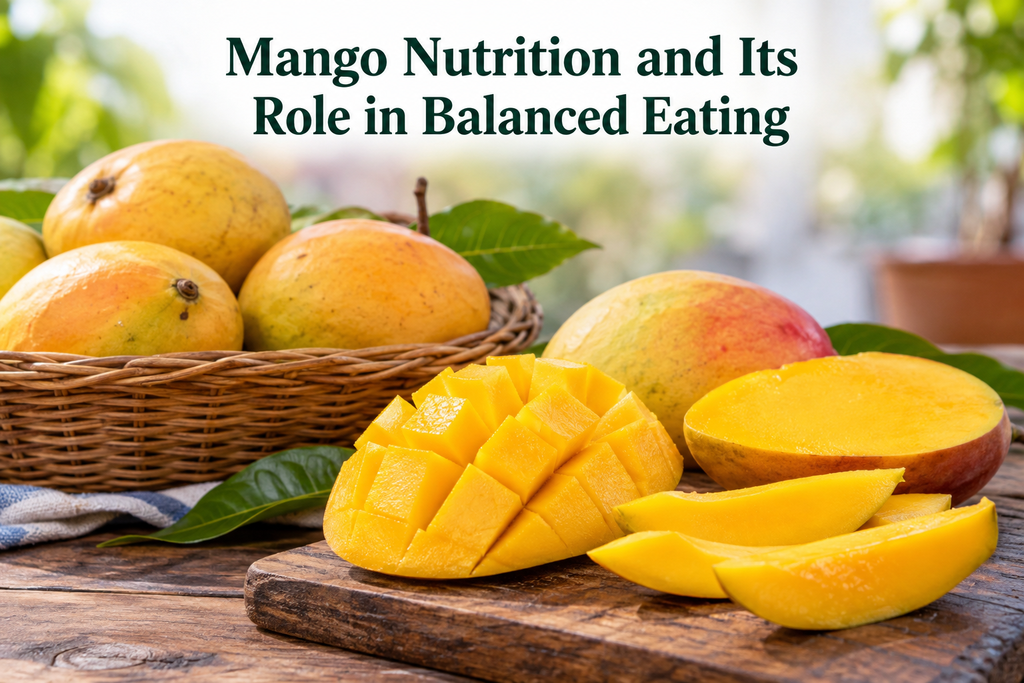
Mango is one of those fruits that can make healthy eating feel enjoyable rather than restrictive. Its sweet taste, soft texture, bright color, and refreshing aroma have made it popular in many parts of the world. Beyond its flavor, mango also provides important nutrients that can support a balanced eating pattern.
When I think about balanced eating, I do not see it as following a strict diet or removing every enjoyable food from the plate. A balanced diet is more about giving the body a variety of nutrients through fruits, vegetables, whole grains, protein foods, healthy fats, and suitable portions. Mango can fit naturally into this approach.
Understanding mango nutrition makes it easier to see why this fruit can be included in everyday meals. It contains carbohydrates for energy, dietary fiber, vitamin C, vitamin A related compounds, folate, potassium, and a variety of natural plant compounds.
Understanding Mango Nutrition
Mango contains mostly water and carbohydrates, along with smaller amounts of protein and very little fat. Its natural carbohydrates are responsible for much of its sweet taste and also provide energy for daily activities.
A typical serving of fresh mango provides useful vitamins and minerals without being an extremely heavy food. This makes mango suitable as a snack, part of breakfast, or an ingredient in a healthy meal.
Fresh mango also contains natural sugars. These sugars occur as part of the whole fruit, together with water, fiber, vitamins, minerals, and plant compounds. This is different from consuming large amounts of added sugar through sweets, sugary drinks, or heavily processed desserts.
The main lesson is portion awareness. Mango can be nutritious while still tasting sweet, so enjoying a reasonable portion is usually a better approach than eating a very large quantity at once.
Mango Is a Good Source of Vitamin C
One of the most valuable nutrients found in mango is vitamin C. This vitamin performs several important roles in the human body.
Vitamin C contributes to normal immune function. It is also involved in collagen production. Collagen is an important structural protein found in skin, blood vessels, cartilage, and other tissues.
Another useful role of vitamin C is helping the body absorb iron from plant foods. This can be especially helpful when mango is eaten as part of a meal containing foods such as beans, lentils, leafy vegetables, or whole grains.
Vitamin C also acts as an antioxidant. Antioxidants help protect cells from oxidative stress caused by unstable molecules produced during normal body processes and exposure to environmental factors.
Including fruits such as mango in the diet is a practical way to obtain vitamin C from food.
Mango and Vitamin A Related Nutrients
Mango contains carotenoids, including beta carotene. The body can convert some beta carotene into vitamin A when needed.
Vitamin A plays an important role in normal vision, immune function, skin health, and cell development. This makes colorful fruits and vegetables valuable additions to a balanced diet.
The yellow and orange color of ripe mango gives us a useful reminder of its carotenoid content. A varied diet that includes fruits of different colors can provide a wider range of beneficial plant compounds and nutrients.
Mango should not be viewed as the only source of vitamin A related nutrients, but it can make a useful contribution when combined with vegetables and other fruits.
Dietary Fiber in Mango
Fiber is another important part of mango nutrition. Although mango is not the highest fiber food available, it still contributes useful dietary fiber to the daily diet.
Fiber supports healthy digestion and helps maintain regular bowel movements. Foods containing fiber can also improve the feeling of fullness after eating.
This is one reason why eating whole mango is generally more satisfying than drinking mango juice. Whole fruit contains its natural fiber, while juice may contain much less fiber depending on how it is prepared.
For balanced eating, mango can be combined with other higher fiber foods. For example, adding mango pieces to oatmeal provides fiber from both the fruit and the oats. Mixing mango with chia seeds, nuts, or plain yogurt can also create a more filling snack.
Eating a range of fruits, vegetables, legumes, and whole grains is still the best way to obtain enough fiber overall.
Mango Provides Natural Energy
Mango contains carbohydrates that the body can use as an energy source. This makes it a useful fruit for active people, students, workers, or anyone who wants a naturally sweet snack.
Carbohydrates are not automatically unhealthy. They are one of the body’s major sources of energy. The type of food providing those carbohydrates matters greatly.
Mango supplies carbohydrates along with micronutrients, water, fiber, and beneficial plant compounds. This gives it nutritional advantages compared with foods made mainly from refined sugar.
Mango can be especially enjoyable before or after physical activity when the body needs convenient energy. It can be eaten alone or combined with a protein source for a more balanced snack.
For example, mango with yogurt can provide carbohydrates and protein. Mango with a small serving of nuts can provide carbohydrates together with healthy fats and some protein.
Potassium in Mango
Mango also provides potassium, an essential mineral that contributes to normal body function.
Potassium is involved in normal muscle function, nerve signaling, and fluid balance. It also plays a role in maintaining normal blood pressure when consumed as part of an overall healthy eating pattern.
Many fruits and vegetables contain potassium, which is another reason why health professionals often encourage people to eat more plant foods.
Mango alone should not be expected to meet all potassium needs. However, combining mango with bananas, potatoes, beans, leafy vegetables, tomatoes, and other potassium containing foods can help create a nutrient rich diet.
Mango Contains Folate
Folate is a B vitamin involved in normal cell division and the production of genetic material. Mango provides a modest amount of folate and can contribute to overall daily intake.
Folate is particularly important during periods of rapid growth and development. Pregnant women have specific folate requirements, so medical or nutritional guidance may be needed to make sure those needs are properly met.
For most people, eating a varied diet that includes fruits, vegetables, beans, and leafy greens can support adequate folate intake.
Mango adds variety and flavor while contributing another natural food source of this vitamin.
Antioxidant Compounds in Mango
Mango contains several natural plant compounds with antioxidant activity. These include carotenoids and polyphenols.
Antioxidants are often discussed as if they are miracle substances, but their role should be understood realistically. They are part of a larger healthy eating pattern rather than a replacement for good nutrition.
A diet rich in colorful plant foods provides many different antioxidant compounds. Mango can be one part of this variety.
Instead of depending heavily on one so called superfood, it is more sensible to eat different fruits and vegetables throughout the week. Apples, berries, citrus fruits, bananas, mangoes, leafy vegetables, carrots, tomatoes, and many other foods can contribute different nutrients and plant compounds.
This approach supports nutritional variety.
Mango and Digestive Health
Fresh mango can support digestive health mainly because it provides water and dietary fiber.
The combination of water and fiber helps food move through the digestive system. Fiber can also contribute to healthier bowel habits when enough fluids are consumed throughout the day.
Mango also contains natural enzymes involved in breaking down carbohydrates. However, it is better to avoid exaggerated claims suggesting that mango alone can cure digestive problems.
Digestive health depends on many factors, including fiber intake, hydration, physical activity, stress levels, meal patterns, and overall health.
Mango can simply be considered one enjoyable fruit that fits into a digestion friendly diet.
Mango in a Balanced Breakfast
Breakfast is one of the easiest meals in which to include mango.
Fresh mango pieces can be added to oatmeal, yogurt, whole grain cereal, or chia pudding. These combinations are often more balanced than eating mango alone because they provide additional protein, fiber, or healthy fats.
A simple breakfast could include oatmeal topped with fresh mango and a small amount of nuts. Another option is plain yogurt with mango pieces and seeds.
Mango can also be included in homemade smoothies. For a more balanced smoothie, it is useful to combine mango with protein and fiber sources rather than preparing a drink made mostly from fruit juice.
Milk, yogurt, oats, chia seeds, or nut butter can help make the drink more satisfying.
Using Mango as a Healthy Snack
Mango can be a refreshing snack between meals.
Fresh mango requires very little preparation. Simply peeling and cutting the fruit is enough to create a naturally sweet snack.
For better balance, mango can be paired with foods containing protein or healthy fats. Good examples include plain yogurt, a small amount of nuts, cottage cheese, or seeds.
These combinations may help create greater fullness compared with eating a sugary snack made mostly from refined ingredients.
Mango can therefore be useful for people who want something sweet without automatically reaching for biscuits, candy, or highly processed desserts.
Mango in Lunch and Dinner
Mango does not need to be limited to breakfast or dessert. It can also be used in savory meals.
Fresh mango can be added to salads containing leafy vegetables, cucumber, tomatoes, herbs, beans, or grilled protein. Its sweetness can create an interesting contrast with spicy or sour flavors.
Mango salsa is another useful option. Chopped mango can be mixed with tomato, onion, coriander, lime juice, and mild spices. It can be served alongside fish, chicken, beans, or whole grain dishes.
Using fruit creatively in meals can make healthy eating feel less repetitive.
Mango and Weight Management
People sometimes avoid mango because they believe sweet fruits automatically lead to weight gain. This is an oversimplification.
Body weight is influenced by total energy intake, energy expenditure, portion sizes, lifestyle habits, sleep, activity levels, and many other factors.
Mango does contain calories and natural sugar, so portion size still matters. However, eating a sensible amount of fresh mango can easily fit into a balanced weight management plan.
Fresh mango may actually be a useful alternative when someone wants a sweet food. Choosing fruit instead of a large portion of cake, candy, or ice cream can provide more vitamins, minerals, water, and fiber.
The goal should not be to fear fruit but to understand portions and overall dietary balance.
Whole Mango Compared With Mango Juice
Whole mango and mango juice are not nutritionally identical.
When mango is eaten whole, its fiber remains present. Fiber slows eating, contributes to fullness, and supports digestion.
Juicing often reduces fiber content. It also becomes easier to consume the equivalent of several pieces of fruit very quickly.
Commercial mango beverages may contain added sugar as well, making them different from plain fresh mango.
For regular balanced eating, whole fresh mango is usually the more satisfying choice. Juice can still be enjoyed occasionally, but checking ingredients and serving size is helpful.
Fresh Mango Versus Dried Mango
Dried mango can also contain useful nutrients, but removing water makes it much more concentrated.
A small amount of dried mango may contain the natural sugar and calories of a much larger portion of fresh fruit. Some commercial dried mango products also contain added sugar.
For this reason, portions of dried mango should generally be smaller.
Fresh mango contains much more water, making it refreshing and relatively easy to include in a normal fruit serving.
If buying dried mango, reading the ingredient list can help identify products that contain only mango rather than mango coated with additional sugar.
How Much Mango Should You Eat?
There is no single perfect serving size for everyone because nutritional needs vary according to age, activity, health, and total diet.
For most healthy adults, a moderate serving of mango can comfortably fit within daily fruit intake.
It is more helpful to focus on variety than to eat huge amounts of one fruit. Mango can be eaten alongside apples, oranges, berries, bananas, grapes, melon, and other fruits across the week.
People managing diabetes or other medical conditions may need individual guidance regarding carbohydrate portions. A registered dietitian or healthcare professional can provide advice based on personal health needs.
The Importance of Dietary Variety
Perhaps the most important lesson about mango nutrition is that no single fruit can provide everything the body needs.
Mango contains valuable nutrients, but balanced eating requires variety.
A healthy plate may include vegetables, whole grains, protein foods, healthy fats, and fruit. Mango can fill the fruit portion of that pattern while providing enjoyable sweetness and color.
Changing fruit choices regularly also prevents healthy eating from becoming boring. One day mango may be included in breakfast, while another day apples, oranges, pears, or berries can provide variety.
The same principle applies to vegetables and protein foods.
Simple Ways to Include Mango in a Balanced Diet
There are many practical ways to enjoy mango without making meals complicated.
Fresh mango can be eaten at breakfast with oats or yogurt. It can be added to fruit salads, blended into balanced smoothies, mixed into fresh salsa, added to green salads, paired with nuts, or served after a meal as a naturally sweet dessert.
Frozen mango is also useful when fresh mango is unavailable. It can be stored for longer periods and used in smoothies or yogurt bowls.
The key is to keep preparation simple and avoid adding excessive amounts of sugar.
A ripe mango already has plenty of natural sweetness.
Final Thoughts
Mango nutrition shows that this popular tropical fruit offers much more than a pleasant taste. Mango provides vitamin C, carotenoids, folate, potassium, dietary fiber, carbohydrates, water, and natural plant compounds that can contribute to a nutritious eating pattern.
Its role in balanced eating is not about treating mango as a miracle food. Instead, mango works best as one part of a varied diet that includes many fruits, vegetables, whole grains, protein sources, and healthy fats.
Fresh mango can be enjoyed at breakfast, as a snack, in salads, with yogurt, in smoothies, or as a simple dessert. Combining mango with protein, fiber, or healthy fats can make meals and snacks even more balanced.
The most practical approach is moderation and variety. Enjoying mango in sensible portions allows its natural sweetness and nutritional value to become part of everyday healthy eating.
When nutritious foods are enjoyable, healthy eating becomes easier to maintain. Mango is a good example of how flavor and nutrition can exist together on the same plate.