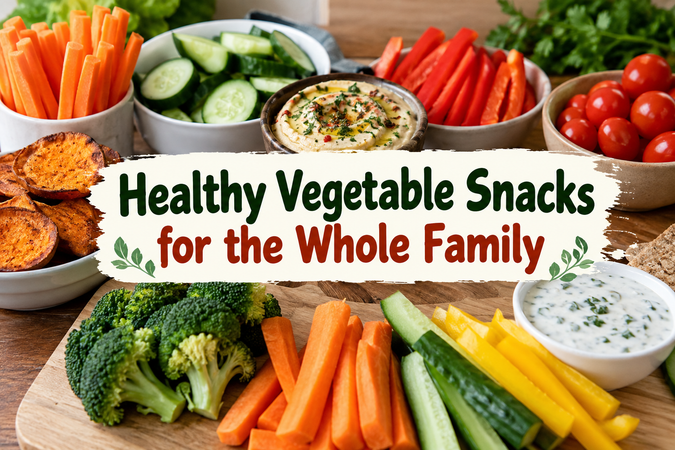
Healthy eating becomes much easier when nutritious foods are simple, tasty, and available at the right time. Snacks are an important part of everyday eating because they help fill the gap between meals and can provide useful nutrients throughout the day. However, many families depend on packaged snacks that may contain too much salt, sugar, or unhealthy fat. One practical way to improve family eating habits is to prepare healthy vegetable snacks that everyone can enjoy.
Vegetables are naturally rich in vitamins, minerals, fiber, water, and beneficial plant compounds. They can be served raw, baked, roasted, steamed, or combined with simple dips to create satisfying snacks. The best part is that vegetable snacks can work for children, teenagers, adults, and older family members.
Adding more vegetables to snack time does not need to feel like a strict health rule. With a little creativity, vegetables can become colorful, crunchy, flavorful, and enjoyable foods that the whole family looks forward to eating.
Why Healthy Vegetable Snacks Are a Smart Choice
Vegetables offer many important nutrients while generally being lower in calories than highly processed snack foods. They can help make snacks more filling because many vegetables contain both water and fiber.
Fiber supports normal digestion and can help people feel satisfied between meals. Vegetables also provide a wide variety of nutrients such as vitamin C, vitamin A, vitamin K, potassium, and folate. The exact nutrients depend on the type of vegetable being eaten.
Eating different vegetables is useful because no single vegetable provides everything the body needs. A colorful mixture of carrots, cucumbers, tomatoes, peppers, broccoli, peas, and leafy vegetables can provide a wider range of nutrients.
Healthy vegetable snacks can also help families develop better long term food habits. When children regularly see vegetables served as normal everyday foods, they may become more comfortable eating them.
Carrot Sticks With a Creamy Dip
Carrots are one of the easiest vegetables to turn into a simple family snack. They are naturally firm, slightly sweet, and easy to carry in a lunch box or snack container.
Wash and peel fresh carrots, then cut them into thin sticks. They can be served with a small amount of hummus, plain yogurt dip, or another homemade dip.
Carrots provide beta carotene, which the body can convert into vitamin A. Vitamin A supports normal vision, immune function, and healthy tissues.
The natural sweetness of carrots often makes them appealing to children who are still becoming familiar with vegetables.
For younger children, carrots can be lightly steamed until softer to make them easier to chew. Always prepare foods in an age appropriate way.
Fresh Cucumber Slices
Cucumbers make refreshing vegetable snacks, especially during warm weather. Their high water content gives them a light and crisp texture.
Simply wash a cucumber and cut it into slices or sticks. You can add a small amount of plain yogurt, lemon juice, herbs, or mild seasoning for extra flavor.
Cucumber slices can also be combined with tomatoes and a little cheese to make a more satisfying snack.
Because cucumbers have a mild taste, they work well for family members who do not enjoy strong vegetable flavors.
Colorful Bell Pepper Strips
Bell peppers are a wonderful way to make snack plates more attractive. Red, yellow, orange, and green peppers add natural color and crunch.
Wash the peppers carefully, remove the seeds, and cut them into strips. They can be eaten alone or served with hummus, yogurt dip, mashed avocado, or a simple bean spread.
Bell peppers are particularly known for their vitamin C content. Vitamin C supports immune function and helps the body absorb iron from plant foods.
A plate containing several colors of peppers can make healthy eating more interesting for children. Young family members often enjoy foods that look bright and colorful.
Cherry Tomatoes With Simple Toppings
Tomatoes can also become easy vegetable snacks. Small tomatoes are convenient because they require very little preparation.
For adults and older children, cherry tomatoes can be paired with cheese cubes, cucumber pieces, or whole grain crackers.
For younger children, small round foods may need to be cut into safe pieces because whole cherry tomatoes can present a choking risk.
Tomatoes provide vitamin C, potassium, and several plant compounds, including lycopene. Including tomatoes with other vegetables can add variety to a family snack plate.
Homemade Baked Vegetable Chips
Many people enjoy crunchy snack foods, which is why homemade vegetable chips can be a useful alternative to heavily processed choices.
Vegetables such as sweet potatoes, beetroot, zucchini, or carrots can be sliced thinly and baked until lightly crisp.
A small amount of oil may be used before baking. Herbs and mild spices can provide flavor without needing large amounts of salt.
Homemade vegetable chips allow families to control the ingredients and experiment with different vegetables.
The texture may not always be identical to commercial chips, but the natural flavor can be delicious when the vegetables are prepared properly.

Roasted Chickpeas With Vegetables
Although chickpeas are legumes rather than vegetables in the botanical sense, they combine very well with vegetables and can make snack time more satisfying.
Roasted chickpeas can be served with cucumber sticks, tomato pieces, or sliced peppers.
Chickpeas provide plant protein and fiber, while the fresh vegetables add color, hydration, and additional nutrients.
This combination is especially useful when a light vegetable snack alone does not feel filling enough.
Broccoli With Yogurt Dip
Broccoli may not be the first food people imagine when thinking about snacks, but it can work very well when prepared simply.
Small broccoli florets can be lightly steamed so they remain slightly firm. Once cooled, they can be served with plain yogurt mixed with herbs.
Broccoli contains vitamin C, vitamin K, folate, fiber, and beneficial plant compounds.
Some children may need time to become comfortable with broccoli. Serving a small amount repeatedly without pressure can make the vegetable feel more familiar.
Sweet Potato Bites
Sweet potatoes have a naturally pleasant flavor and can be turned into soft, comforting snacks for the family.
Cut sweet potatoes into small pieces, lightly coat them with oil, and bake until tender. Mild spices can be added according to your family’s taste.
Sweet potatoes contain fiber and beta carotene. Their naturally sweet flavor makes them a useful option for people who normally prefer sweeter snacks.
They can be prepared in advance and stored in the refrigerator for convenient snacking later.
Celery With Nut or Seed Butter
Celery has a refreshing crunch and works especially well with creamy toppings.
Clean celery stalks carefully and cut them into manageable pieces. A thin layer of peanut butter, almond butter, sunflower seed butter, or another suitable spread can make the snack more filling.
Nut and seed butters provide fats and protein that complement the fresh vegetable.
When preparing snacks for children, always consider possible food allergies and age appropriate textures.
Vegetable Sticks With Hummus
Hummus and vegetable sticks are one of the easiest healthy vegetable snacks for the whole family.
Carrots, cucumbers, celery, bell peppers, and lightly cooked broccoli can all be served with hummus.
Hummus is usually made from chickpeas, tahini, lemon juice, and other simple ingredients. It adds creaminess and helps turn fresh vegetables into a more satisfying snack.
You can place several vegetables on one large plate and let each family member choose their favorites.
This simple approach can make snack time feel relaxed instead of restrictive.
Green Peas as a Simple Snack
Green peas are naturally sweet and can be enjoyed warm or cool.
Cooked peas can be seasoned lightly with herbs or mixed with small pieces of other vegetables. Their soft texture can make them easier for some children to eat than crunchy raw vegetables.
Peas provide fiber, plant protein, vitamins, and minerals.
They can also be blended into a simple pea dip and served with cucumber or carrot sticks.
Corn and Vegetable Cups
Sweet corn can add flavor and variety to vegetable snacks.
Cooked corn can be mixed with chopped cucumber, tomatoes, peppers, and a little lemon juice to create a quick vegetable cup.
This colorful combination can be served in small bowls as an afternoon snack.
Using naturally colorful ingredients can make vegetables more visually appealing, especially for children.
Mini Vegetable Sandwiches
Vegetables can also be used to prepare simple mini sandwiches.
Choose whole grain bread and add thin slices of cucumber, tomato, lettuce, or grated carrot. A small amount of hummus, avocado, or plain yogurt based spread can add moisture and flavor.
Cut the sandwiches into smaller portions to make them easier to eat.
Mini vegetable sandwiches are useful when the family needs a snack that feels more substantial than vegetables alone.
Lettuce Wrap Snacks
Large lettuce leaves can act as natural wraps.
Fill them with grated carrots, sliced cucumber, peppers, cooked beans, or a small amount of chicken for people who want extra protein.
The lettuce provides a fresh and crisp outer layer while the filling adds texture and flavor.
Lettuce wraps are also easy to customize, which makes them useful when family members have different food preferences.
Avocado and Tomato Bites
Avocado can make vegetable snacks more creamy and satisfying.
Mash ripe avocado and serve it with sliced tomatoes, cucumber pieces, or whole grain crackers.
Avocado contains healthy unsaturated fats, fiber, potassium, and several other nutrients.
Combining avocado with vegetables can create a snack that feels rich without depending heavily on processed ingredients.
Make Vegetable Snacks Attractive for Children
Children often judge food by appearance before tasting it. Presentation can therefore make a noticeable difference.
Arrange vegetables in colorful rows or simple shapes. Use several colors on the same plate. Carrots can provide orange, cucumbers green, tomatoes red, and peppers yellow.
Small bowls of dips can also make snack time more interactive.
Another useful idea is allowing children to help wash vegetables, arrange snack plates, or choose which vegetables they want to include.
When children participate in food preparation, they may become more interested in tasting what they helped prepare.
Keep Healthy Snacks Easy to Reach
Convenience strongly influences food choices. When processed snacks are ready to eat but vegetables require washing and chopping, people naturally choose the easier option.
Preparing vegetables in advance can solve this problem.
Wash and cut suitable vegetables and store them safely in covered containers in the refrigerator. Hummus or yogurt dip can also be divided into small portions.
When healthy vegetable snacks are visible and easy to reach, family members are more likely to choose them.
Preparation does not need to take much time. Even preparing vegetables for the next day while making dinner can make healthy snacking easier.
Avoid Making Vegetables Feel Like a Punishment
One common mistake is presenting vegetables as something people must eat before they can enjoy something better.
This can unintentionally make vegetables seem less desirable.
Instead, vegetables should simply be part of normal family eating. Serve them alongside other foods without creating unnecessary pressure.
Children may reject a vegetable several times before becoming familiar with its taste or texture. This does not necessarily mean they will never like it.
Offer small portions and continue providing variety.
A calm approach can help create a healthier relationship with food.
Mix Different Textures and Flavors
One reason packaged snacks are attractive is that they often provide strong flavors and interesting textures.
Healthy snacks can also provide variety.
Combine crunchy vegetables with creamy hummus. Pair soft roasted sweet potatoes with crisp cucumber slices. Serve fresh peppers beside warm vegetable bites.
Different herbs can also add flavor. Parsley, mint, coriander, basil, garlic, lemon, and mild spices can completely change the taste of a vegetable snack.
Trying different preparation methods may help family members discover vegetables they enjoy.
Someone who dislikes raw broccoli may enjoy it roasted. A person who avoids raw carrots may prefer them lightly steamed.
Plan Family Snack Time
Healthy eating becomes easier when it is planned.
Instead of waiting until everyone becomes very hungry, keep a few simple snack options available during the week.
Fresh vegetables, homemade dips, boiled eggs, fruit, yogurt, nuts, seeds, and whole grain foods can all form part of a balanced snack routine.
Vegetable snacks do not need to replace every other type of snack. The goal is to make nutritious foods a regular and enjoyable part of family life.
Final Thoughts
Healthy vegetable snacks for the whole family can be simple, colorful, affordable, and delicious. Carrots, cucumbers, tomatoes, peppers, broccoli, peas, sweet potatoes, celery, lettuce, and many other vegetables can be transformed into easy snacks with very little preparation.
Serving vegetables with hummus, yogurt dips, avocado, whole grain foods, beans, or other nutritious ingredients can make snacks more satisfying while providing greater variety.
The most effective approach is not to force healthy eating but to make healthy choices convenient and enjoyable. Keep vegetables ready to eat, offer different colors and textures, involve children in preparation, and continue introducing new foods gradually.
Small changes in everyday snack habits can make a meaningful difference over time. When nutritious foods become a normal part of family life, healthy eating feels less like a strict rule and more like a natural routine everyone can enjoy.