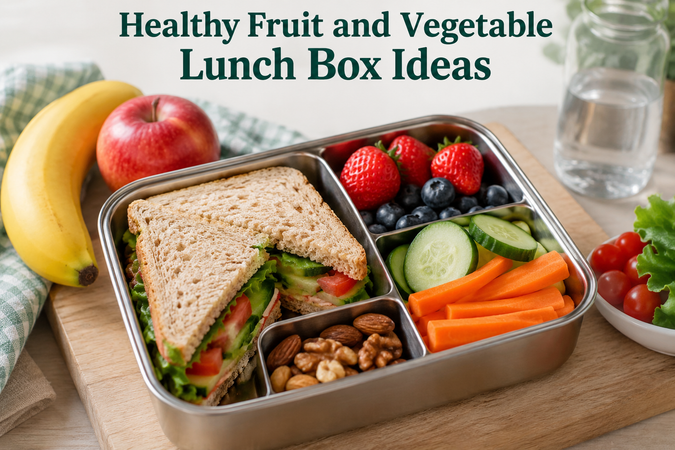
Preparing a healthy lunch box does not have to be complicated or expensive. A simple combination of fresh fruits, colorful vegetables, whole foods, and satisfying ingredients can turn an ordinary lunch into something nutritious and enjoyable. I have always found that when a lunch box looks colorful and contains different textures, it becomes much more appealing. This is especially helpful for children, students, office workers, and anyone who wants to eat better during a busy day.
Healthy fruit and vegetable lunch box ideas are useful because they make it easier to include important nutrients in everyday meals. Fruits provide natural sweetness, vitamins, minerals, fiber, and water. Vegetables provide fiber, antioxidants, vitamins, minerals, and many other nutrients that support a balanced diet. When both are included in a lunch box, the meal becomes more colorful, refreshing, and satisfying.
The best part is that there is no single perfect lunch box. Different fruits and vegetables can be combined according to taste, season, availability, and budget.
Why Fruits and Vegetables Belong in a Lunch Box
A lunch box should provide enough energy to continue the day comfortably. Heavy meals can sometimes make a person feel sleepy, while a lunch containing fresh produce can feel lighter and more refreshing.
Fruits such as apples, bananas, oranges, grapes, berries, mangoes, pears, and melon can provide natural carbohydrates along with valuable nutrients. Vegetables such as carrots, cucumbers, tomatoes, bell peppers, lettuce, peas, broccoli, and sweet potatoes can add color, texture, and nutrition.
Another advantage is variety. Eating the same lunch every day can become boring. Fruits and vegetables make it easy to change flavors without completely changing the entire meal.
One day the lunch box may contain apple slices and carrots. The next day it may include grapes, cucumber, and cherry tomatoes. Small changes like these can make everyday healthy eating more interesting.
Start With a Simple Lunch Box Formula
When I think about preparing a balanced lunch box, I like to keep the process simple. Instead of trying to add too many foods, I focus on a few basic groups.
A useful lunch box may contain a main food, one or two vegetables, a fruit, and a small extra snack.
For example, a whole grain sandwich can be paired with cucumber slices, carrot sticks, and an apple. A rice bowl can be packed with cooked vegetables and orange slices. A wrap can contain lettuce, tomato, cucumber, and another filling, with grapes placed on the side.
This simple method makes meal preparation easier while still offering good variety.
Apple and Carrot Lunch Box
Apples and carrots are among the easiest foods to pack. They are affordable, widely available, and naturally crunchy.
Slice an apple into small pieces and place it in one section of the lunch box. In another section, add fresh carrot sticks. A whole grain sandwich with a simple protein filling can complete the meal.
Apple slices may turn slightly brown after being cut. A small amount of lemon juice can help maintain their fresh appearance.
Carrots pair well with yogurt based dips or hummus if you want to add extra flavor.
This is one of the simplest healthy fruit and vegetable lunch box ideas for beginners.
Cucumber, Grapes, and Sandwich Combination
Cucumbers are refreshing because they contain plenty of water. Grapes provide natural sweetness and are very easy to eat.
Prepare a sandwich using whole grain bread and your favorite nutritious filling. Add sliced cucumber on the side and a small portion of grapes.
For young children, grapes should be cut appropriately to reduce choking risk.
This combination works especially well during warmer months because both cucumber and grapes feel refreshing when kept cool.
Colorful Vegetable Wrap Lunch
A vegetable wrap can contain several vegetables in one convenient meal.
Use a whole grain tortilla and add lettuce, cucumber, shredded carrots, tomato, bell pepper, and a suitable spread. Roll it firmly and cut it into smaller pieces.
Add fruit such as strawberries, orange sections, pear slices, or grapes in another compartment.
The different colors make this lunch box visually attractive. It also allows you to use whatever vegetables are already available at home.
Banana and Vegetable Sandwich Lunch Box
Bananas are convenient because they do not require washing, cutting, or special preparation before eating. Their natural peel protects the fruit during transport.
Pair a banana with a sandwich containing lettuce, tomato, cucumber, and a protein rich ingredient.
You can also include a few bell pepper strips for extra crunch.
This is a practical choice for busy mornings when there is little time for meal preparation.
Berry and Cucumber Lunch Box
Berries can bring beautiful natural color to a lunch box. Strawberries, blueberries, raspberries, and blackberries can all work well when available.
Combine a small portion of berries with cucumber rounds and a balanced main meal such as a whole grain wrap or sandwich.
Wash berries gently and dry them well before packing. Excess moisture can make them soft more quickly.
This combination creates a fresh lunch with a mixture of sweet and mild flavors.
Orange and Bell Pepper Lunch Box
Oranges and bell peppers are both colorful additions to everyday meals.
Peel an orange and divide it into sections before packing it. Slice red, yellow, or green bell peppers into thin strips.
Pair them with a whole grain sandwich, cooked rice, pasta salad, or another simple main dish.
Orange segments offer juicy sweetness, while bell peppers provide a crisp texture.
Using foods with different colors also makes the lunch look more inviting.

Mango and Cucumber Lunch Box
Mango and cucumber can create a delicious sweet and refreshing combination.
Cut ripe mango into cubes and place it in a sealed compartment. Add cucumber slices separately.
For the main part of the lunch, include a vegetable sandwich, whole grain wrap, rice dish, or another balanced meal.
Because ripe mango can release juice, it is best stored in a container that closes properly.
This lunch box idea is especially enjoyable when mangoes are naturally in season.
Vegetable Pasta Lunch Box With Fruit
Pasta can be turned into a convenient lunch box meal by adding vegetables.
Cook pasta and allow it to cool. Mix it with vegetables such as peas, carrots, bell peppers, cucumber, tomatoes, or sweet corn. Add a light dressing according to your preference.
Place a serving of fresh fruit on the side. Apple, grapes, orange, melon, or pear can all work well.
This is a useful way to include several vegetables in one lunch.
Rice and Vegetable Lunch Box
Rice is another flexible food for lunch boxes.
Cook rice and combine it with vegetables such as peas, carrots, beans, broccoli, bell peppers, or sweet corn. You can add herbs and mild seasonings to improve the flavor.
Pack fruit separately so that it remains fresh.
Pineapple, orange, grapes, apple, or melon can provide a refreshing contrast to the savory rice.
A homemade rice and vegetable lunch box can also be a good way to use leftovers from dinner.
Sweet Potato and Fresh Fruit Lunch
Sweet potatoes provide natural sweetness and can be prepared in several ways. They can be baked, roasted, mashed, or cut into cubes.
For a lunch box, roasted sweet potato cubes are particularly convenient. Pair them with cucumber, tomato, or lettuce and include fresh fruit such as an apple or pear.
You can also place sweet potato inside a wrap with other vegetables.
Preparing the sweet potato the night before can save time in the morning.
Broccoli and Grape Lunch Box
Broccoli can be eaten cooked or lightly steamed depending on personal preference.
Place small broccoli pieces in the lunch box along with grapes and a balanced main food. You may also add carrot sticks to create more variety.
A light yogurt based dip can make vegetables more enjoyable for people who prefer additional flavor.
Broccoli should be cooked just enough to remain pleasant in texture if you plan to eat it cold.
Fruit Salad Lunch Box
Fruit salad is an easy way to combine several fruits.
Use two or three fruits rather than adding too many varieties. Apple, banana, orange, grapes, berries, mango, kiwi, melon, and pear are all useful choices.
Cut the fruit into bite sized pieces and store it in a sealed container.
Alongside the fruit salad, include vegetables such as cucumber sticks, carrots, cherry tomatoes, or bell pepper slices.
Add a satisfying main food so that the lunch is balanced rather than consisting only of produce.
Rainbow Vegetable Lunch Box
A rainbow lunch box can make vegetables much more interesting.
Try including several colors. Red tomatoes, orange carrots, yellow bell peppers, green cucumber, and purple cabbage can create a beautiful appearance.
You do not need large amounts of every vegetable. Small portions of different foods can provide enough variety.
Pair the vegetables with fruit and a nutritious main dish.
This approach can be particularly helpful for encouraging children to explore different foods.
Seasonal Fruits and Vegetables Are a Smart Choice
One of the easiest ways to keep lunch boxes interesting is to follow the seasons.
Different seasons naturally provide different foods. Summer may offer watermelon, mangoes, cucumbers, tomatoes, and berries. Cooler seasons may bring oranges, apples, carrots, cabbage, peas, and other produce.
Seasonal foods may also be easier to find and more affordable.
Instead of depending on the same fruits throughout the year, changing the lunch box according to what is naturally available can bring variety to everyday eating.
Make Lunch Boxes Easy to Eat
Food should be convenient to eat during a short lunch break.
Large vegetables can be cut into sticks, rounds, or small pieces. Fruits can be sliced or divided into sections when needed. Sandwiches and wraps can also be cut into smaller portions.
For children, foods should always be prepared according to their age and ability to chew safely.
Ease of eating can make a big difference. A child may ignore a whole large orange but happily eat peeled orange sections. Someone may leave a whole cucumber untouched but enjoy cucumber rounds.
Simple preparation can make healthy foods much more inviting.
Keep Food Fresh
Food safety is an important part of preparing a healthy lunch box.
Perishable foods should be kept cool. An insulated lunch bag with an ice pack can help maintain a safer temperature until lunchtime.
Wash fruits and vegetables before packing them. Dry them properly because excessive water can affect texture.
Use clean containers with secure lids. Foods that release juice, such as watermelon, mango, tomatoes, and oranges, should be stored carefully so they do not make other foods soggy.
Preparing the lunch box the evening before can save time, but certain fruits are better cut closer to the time of eating.
Avoid Making the Lunch Box Too Complicated
A nutritious lunch does not need ten different ingredients.
Sometimes a sandwich, carrots, cucumber, and an apple are enough.
The goal is not to create a restaurant style meal every day. The goal is to make healthy eating practical enough to continue regularly.
Simple meals are often easier to prepare, less expensive, and less likely to create food waste.
Using familiar foods also makes it easier to understand which foods family members genuinely enjoy.
Prepare Ingredients in Advance
Meal preparation can make healthy lunch boxes much easier.
At the beginning of the week, wash fruits and vegetables that store well. Carrots and bell peppers can be cut and placed in suitable containers. Lettuce can be washed and dried. Grapes can be separated into small portions.
Some vegetables can also be cooked in advance.
Having prepared ingredients available reduces the temptation to choose less balanced convenience foods during busy mornings.
Even fifteen or twenty minutes of preparation can make several days of lunches easier.
Encourage Variety Without Forcing It
Trying new fruits and vegetables is a positive habit, but it should not make lunchtime stressful.
A practical approach is to include one familiar food with one less familiar food.
For example, if someone already likes apples, pack apples alongside a few cucumber slices. If carrots are already popular, add a small portion of bell pepper.
Repeated exposure can gradually make unfamiliar foods feel normal.
Healthy eating develops through consistent habits rather than one perfect meal.
Final Thoughts
Healthy fruit and vegetable lunch box ideas can make everyday meals more colorful, refreshing, and nutritious without requiring complicated recipes. Simple foods such as apples, bananas, grapes, oranges, carrots, cucumber, tomatoes, bell peppers, broccoli, and sweet potatoes can be combined in many different ways.
The most useful approach is to keep lunch preparation realistic. Choose fruits and vegetables that are easy to find, use seasonal produce when possible, prepare some ingredients in advance, and combine fresh foods with a satisfying main meal.
A healthy lunch box does not have to look perfect. What matters is creating a meal that is enjoyable, practical, and balanced enough to become part of a regular routine. Small choices such as adding cucumber to a sandwich, packing an apple instead of a highly processed snack, or including colorful vegetables with rice can gradually improve everyday eating.
With a little planning and variety, healthy fruit and vegetable lunch boxes can become an easy and enjoyable part of daily life.