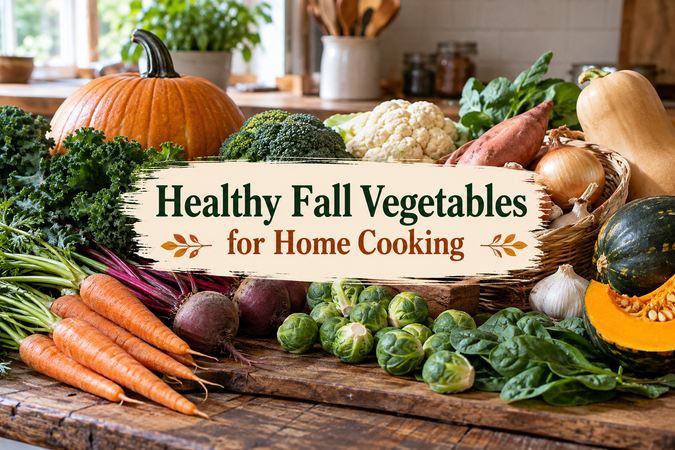
Fall is one of the most enjoyable seasons for home cooking. As the weather becomes cooler, many people naturally begin to prefer warm soups, roasted vegetables, comforting casseroles, and simple homemade meals. This season also brings a wonderful selection of fresh vegetables that can make everyday cooking more colorful, nutritious, and satisfying.
Healthy fall vegetables are useful because they work well in many different recipes. Some can be roasted in the oven, while others are perfect for soups, salads, stews, or side dishes. Many fall vegetables also contain valuable vitamins, minerals, fiber, and natural plant compounds that can support a balanced diet.
Learning which vegetables are best during fall can make meal planning easier. It can also encourage families to cook more meals at home using simple and wholesome ingredients. Here are some of the best healthy fall vegetables for home cooking and practical ideas for enjoying them.
Pumpkin
Pumpkin is probably one of the most familiar vegetables associated with fall. Although many people think about pumpkin mainly for decoration, it is also a valuable ingredient for home cooking.
Pumpkin has a naturally mild and slightly sweet flavor. Its soft texture makes it suitable for soups, purees, curries, and baked dishes.
Pumpkin provides vitamin A, which is important for normal vision and immune function. It also contains fiber, potassium, and several beneficial plant compounds.
One simple way to prepare pumpkin is to cut it into pieces and roast it until tender. Roasted pumpkin can be served as a side dish or added to grain bowls and salads.
Pumpkin soup is another comforting option during cool fall evenings. Cook pumpkin with onion, garlic, vegetable stock, and simple seasonings. Blend everything until smooth for a creamy soup without requiring heavy ingredients.
Sweet Potatoes
Sweet potatoes are another excellent choice for healthy fall cooking. Their natural sweetness works well with both savory and mildly sweet recipes.
Sweet potatoes contain fiber, vitamin A, potassium, and vitamin C. Their bright orange color comes from natural pigments known as carotenoids.
For a simple dinner side dish, cut sweet potatoes into cubes and roast them with a small amount of olive oil and your favorite herbs.
They can also be mashed just like regular potatoes. Mashed sweet potatoes pair nicely with vegetables, beans, chicken, or fish.
Another easy option is to bake a whole sweet potato and fill it with beans, vegetables, yogurt, or fresh herbs. This can create a simple and filling lunch.
Carrots
Carrots are available throughout much of the year, but they are especially useful in fall meals. Their natural sweetness becomes richer when they are roasted or slowly cooked.
Carrots are known for their beta carotene content, which the body can convert into vitamin A. They also provide fiber and other nutrients.
Roasted carrots are one of the easiest vegetable side dishes to prepare. Simply wash and cut the carrots, add a little olive oil and seasoning, and roast them until tender.
Carrots are also ideal for homemade soups and stews. They pair well with potatoes, onions, lentils, peas, and many herbs.
Raw carrots can still be enjoyed during fall. Sliced carrots served with hummus can make a convenient afternoon snack.
Broccoli
Broccoli is a nutritious vegetable that fits beautifully into fall home cooking. It has a fresh flavor and can be prepared in several ways.
Broccoli contains vitamin C, vitamin K, folate, fiber, and various natural plant compounds. Including vegetables such as broccoli in regular meals can help create a varied and balanced diet.
Roasting broccoli gives it a deeper flavor. Cut the broccoli into small florets, lightly coat them with olive oil, and roast until the edges become slightly crisp.
Steamed broccoli is another simple option. It can be served with rice, pasta, potatoes, or lean protein.
You can also add broccoli to soups, casseroles, stir fries, and vegetable pasta dishes.
Cauliflower
Cauliflower is a versatile fall vegetable with a mild taste. Because its flavor is not too strong, it works well with many herbs and seasonings.
Cauliflower provides vitamin C, fiber, folate, and other nutrients. It is also easy to combine with other vegetables.
Roasted cauliflower is a great place to start if you are new to cooking this vegetable. Roasting creates a soft center and slightly crisp edges.
Cauliflower can also be blended into soups for a creamy texture. Another idea is to mash cooked cauliflower with potatoes for a lighter vegetable side dish.
Small cauliflower pieces can also be added to curries, rice dishes, and vegetable bowls.
Brussels Sprouts
Brussels sprouts are often associated with cool weather and fall cooking. When properly prepared, they have a pleasant flavor and crisp texture.
They contain fiber, vitamin C, vitamin K, and several beneficial plant nutrients.
Roasting is one of the best ways to prepare Brussels sprouts. Cut them in half, add a small amount of olive oil, and roast them until the outer leaves become crisp.
They pair well with garlic, lemon juice, black pepper, and herbs.
If you have tried boiled Brussels sprouts in the past and did not enjoy them, roasting may completely change your opinion because it produces a much richer flavor.
Cabbage
Cabbage is affordable, nutritious, and extremely useful for everyday home cooking. Different varieties include green cabbage, red cabbage, and Savoy cabbage.
Cabbage provides vitamin C, vitamin K, fiber, and natural plant compounds.
One advantage of cabbage is that it can be used in both raw and cooked meals. Fresh cabbage can be finely sliced for salads and slaws.
Cooked cabbage can be added to soups, stews, vegetable dishes, and stir fries.
A simple cabbage soup with carrots, potatoes, tomatoes, onions, and herbs can make a comforting fall meal that is both inexpensive and filling.

Spinach
Spinach may look delicate compared with heavier fall vegetables, but it is still a valuable ingredient for seasonal home meals.
Spinach provides folate, vitamin K, vitamin A, iron, and several other nutrients.
Fresh spinach can be added to salads, but it is also very easy to cook. Add a handful to soups, pasta dishes, curries, eggs, or lentils during the final few minutes of cooking.
Because spinach reduces in volume quickly when heated, it is easy to add a generous amount without changing the overall character of a meal.
Beets
Beets bring beautiful color and earthy flavor to fall dishes. They can be roasted, boiled, steamed, or grated into salads.
Beets contain folate, manganese, fiber, potassium, and naturally occurring plant compounds.
Roasting beets brings out their natural sweetness. After roasting, they can be sliced and served with leafy greens, nuts, cheese, or other vegetables.
Cooked beets can also be served as a simple side dish with lemon juice and herbs.
When preparing beets, remember that their strong natural color can stain cutting boards and clothing, so handle them carefully.
Butternut Squash
Butternut squash is another classic fall vegetable that deserves a place in the home kitchen.
Its soft orange flesh has a mild sweetness that becomes richer after roasting.
Butternut squash contains vitamin A, vitamin C, fiber, potassium, and other useful nutrients.
For an easy side dish, cut the squash into cubes and roast it until tender. It can also be added to soups, pasta dishes, grain bowls, and vegetable curries.
Butternut squash soup is particularly enjoyable when the weather becomes cooler. Onion, garlic, squash, vegetable stock, and simple herbs are usually enough to create a flavorful homemade soup.
Turnips
Turnips are traditional root vegetables that are sometimes overlooked. They have a slightly earthy and peppery taste that becomes milder after cooking.
Turnips provide vitamin C, fiber, and other nutrients.
You can roast turnips with carrots, potatoes, and onions for a simple vegetable mixture. They can also be added to soups and stews.
Turnip greens are edible as well and can be cooked similarly to other leafy greens.
Parsnips
Parsnips look similar to pale carrots, but they have their own distinctive flavor. Their natural sweetness becomes stronger when roasted.
They provide fiber, vitamin C, folate, potassium, and other nutrients.
Roasted parsnips are delicious when combined with carrots and other root vegetables. They can also be added to soups or mashed together with potatoes.
If you are trying to add more variety to your fall vegetable meals, parsnips are worth experimenting with.
Kale
Kale is a popular leafy vegetable that grows well during cooler seasons.
It provides vitamin K, vitamin C, vitamin A, fiber, and several plant nutrients.
Kale can be used in soups, salads, grain bowls, and pasta dishes. Because the leaves are firmer than spinach, kale can handle longer cooking times.
For raw kale salads, gently massaging the leaves with a small amount of olive oil or lemon juice can make them softer and easier to eat.
For warm meals, simply chop kale and add it to soups, lentils, or vegetable dishes.
How to Use Fall Vegetables in Everyday Meals
You do not need complicated recipes to enjoy healthy fall vegetables. Simple cooking methods are often the best.
Roasting several vegetables together is one of the easiest approaches. Try combining sweet potatoes, carrots, cauliflower, Brussels sprouts, and onions on one baking tray.
Homemade vegetable soup is another practical option. Use whatever vegetables you have available and add beans, lentils, rice, or whole grains to make the meal more filling.
Fall vegetables can also be added to pasta. Broccoli, spinach, pumpkin, cauliflower, and squash all work well in simple pasta meals.
Vegetable curries are another excellent option for home cooking. Pumpkin, potatoes, spinach, cauliflower, carrots, and peas can all be used in warm and flavorful curries.
Tips for Buying Fall Vegetables
Choose vegetables that look fresh and feel firm.
Avoid vegetables with large soft areas, excessive bruising, mold, or unpleasant smells.
Leafy vegetables should look crisp rather than heavily wilted.
Root vegetables such as carrots, beets, and turnips should feel firm.
When buying squash or pumpkin, choose pieces that feel heavy for their size and have firm skin.
Buying only the amount your household can use is also important. This helps reduce food waste and keeps your meals fresher.
Store Vegetables Properly
Proper storage can help vegetables stay fresh longer.
Leafy greens usually keep better in the refrigerator. Carrots, broccoli, cauliflower, cabbage, and Brussels sprouts should also generally be refrigerated.
Whole winter squash and pumpkins can often be stored in a cool and dry location before they are cut.
Once vegetables are cut, place them in suitable containers and refrigerate them.
Try to check your refrigerator regularly and use vegetables that are becoming older before opening or buying new ones.
Make Fall Cooking Simple
Healthy home cooking does not have to involve complicated recipes or expensive ingredients.
Choose a few seasonal vegetables each week and prepare them using simple methods such as roasting, steaming, boiling, or adding them to soups.
You can also prepare larger portions and use the leftovers in another meal. Roasted vegetables from dinner can become part of a salad, wrap, soup, or grain bowl the following day.
Keeping cooking simple makes it easier to include vegetables regularly without feeling overwhelmed.
Final Thoughts
Healthy fall vegetables offer plenty of opportunities to create warm, colorful, and nutritious meals at home. Pumpkin, sweet potatoes, carrots, broccoli, cauliflower, Brussels sprouts, cabbage, spinach, beets, squash, turnips, parsnips, and kale can all add variety to seasonal cooking.
The best approach is not to make every meal complicated. A tray of roasted vegetables, a homemade soup, or a simple vegetable curry can be just as satisfying as a more elaborate recipe.
By choosing fresh seasonal produce and experimenting with different cooking methods, you can make fall meals more enjoyable while adding valuable nutrients to your daily diet.
Healthy fall vegetables are not only good ingredients for seasonal recipes. They are practical foods that can make everyday home cooking simpler, more colorful, and more satisfying throughout the cooler months.