
Cucumber is one of the simplest foods we can add to a healthy diet, yet its nutritional value is often underestimated. Because cucumber has a light taste, high water content, and refreshing texture, many people think of it mainly as a salad ingredient. In reality, cucumber can support hydration, digestion, healthy weight management, and overall nutrition.
The main reason cucumber stands out is its exceptionally high water content. Our bodies need water every day for digestion, circulation, temperature control, nutrient transport, and many other important functions. While drinking enough water should always remain the main source of hydration, foods that naturally contain water can also contribute to daily fluid intake.
Cucumber is also naturally low in calories and contains small amounts of important vitamins, minerals, fiber, and beneficial plant compounds. This combination makes it an easy food to include in everyday meals.
Why Cucumber Is a Hydrating Food
One of the most important cucumber benefits is hydration. Cucumbers are made up mostly of water, which explains their crisp texture and refreshing taste.
The human body constantly loses water through breathing, sweating, urination, and normal daily activities. This water needs to be replaced regularly. When fluid intake is too low, a person may experience thirst, tiredness, dry mouth, or difficulty concentrating.
Eating water rich foods such as cucumber can complement regular water consumption.
A bowl of cucumber slices can be especially refreshing during warm weather or after physical activity. Cucumber can also make meals feel lighter and fresher without adding many calories.
However, cucumber should not be considered a replacement for drinking water. Instead, it can be viewed as an additional source of dietary hydration.
Cucumber Nutrition
Cucumber has a simple but useful nutritional profile. It contains mostly water while providing small amounts of nutrients that contribute to a balanced diet.
Cucumber contains vitamin K, vitamin C, potassium, magnesium, and several plant compounds. When cucumber is eaten with its skin, it also provides dietary fiber.
Because it contains relatively few calories, cucumber can increase the volume of a meal without greatly increasing its energy content.
Its nutritional value may seem modest compared with some vegetables, but healthy eating is not about depending on one food for every nutrient. A balanced diet combines many fruits, vegetables, whole grains, protein foods, and healthy fats.
Cucumber fits naturally into this type of eating pattern.
Cucumber Supports Healthy Hydration
Proper hydration is necessary for nearly every major system in the body. Water helps transport nutrients, remove waste, regulate body temperature, and maintain normal physical functions.
Cucumber can support hydration because the water inside the vegetable becomes part of overall dietary fluid intake.
This is particularly useful for people who find plain water difficult to drink throughout the day. Adding cucumber slices to meals or using cucumber in salads and snacks can provide another refreshing source of water.
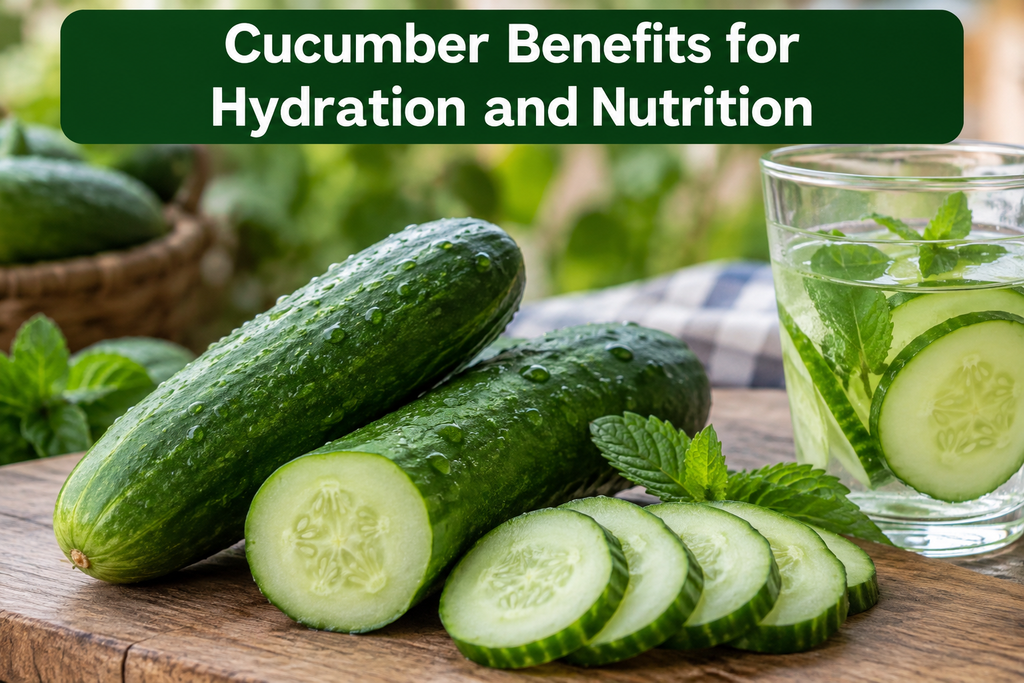
Some people also enjoy adding cucumber slices to a glass or jug of water. This does not dramatically change the nutritional value of the water, but the fresh flavor may encourage people to drink more often.
Cucumber and Digestive Health
Cucumber may also support normal digestion.
Water and fiber are both important for maintaining healthy bowel movements. Water helps keep digestive contents soft, while fiber supports the movement of food through the digestive system.
Cucumber contains a modest amount of fiber, particularly when the skin is left on.
Eating cucumber alongside other fiber rich foods such as beans, whole grains, fruits, leafy vegetables, and seeds can contribute to better overall fiber intake.
Hydration is also important for digestive comfort. A diet that contains plenty of water rich foods may help support normal digestive function when combined with sufficient fluid intake.
Cucumber Can Support Weight Management
Another reason cucumber is popular in balanced diets is its low calorie content.
Foods that contain a lot of water often provide more volume for fewer calories. This means cucumber can make meals and snacks feel more filling without adding a large amount of energy.
For example, cucumber slices can be combined with tomatoes, leafy greens, carrots, chickpeas, or yogurt to create a nutritious snack or meal.
Replacing highly processed snacks with fresh cucumber and other vegetables may also help reduce unnecessary calorie intake.
Of course, cucumber itself does not cause weight loss. Body weight is influenced by total diet, activity levels, sleep, lifestyle habits, and many other factors. Still, cucumber can be a useful part of a balanced eating plan because it is refreshing, filling, and naturally low in calories.
Benefits of Eating Cucumber With the Skin
Many people peel cucumbers before eating them, but the skin can provide additional nutritional value.
Cucumber skin contains fiber and plant compounds. Leaving the skin on can help preserve more of these nutrients.
Before eating cucumber with its skin, it should be washed carefully under clean running water. Any visible dirt should be removed.
Some cucumber varieties have thicker or slightly bitter skin. In those cases, removing part or all of the peel may improve taste. The most important goal is to prepare cucumber in a way that makes healthy eating enjoyable and practical.
Cucumber Provides Vitamin K
Cucumber contains vitamin K, particularly in its outer portions.
Vitamin K plays an important role in normal blood clotting and contributes to maintaining healthy bones.
Cucumber should not be considered the richest source of vitamin K, since leafy green vegetables often contain much larger amounts. However, cucumber can still make a small contribution to daily nutrient intake.
Eating a wide range of vegetables is the best approach because different vegetables provide different nutrients.
Cucumber Contains Antioxidant Plant Compounds
Vegetables naturally contain various plant compounds, including antioxidants.
Antioxidants help protect cells against oxidative stress caused by unstable molecules known as free radicals.
Cucumber contains several naturally occurring plant compounds that contribute to its nutritional qualities.
This does not mean cucumber can prevent or cure diseases on its own. No individual vegetable should be treated as a medical treatment. Instead, antioxidant rich fruits and vegetables should be viewed as part of an overall healthy dietary pattern.
A varied diet provides a wider range of protective plant compounds than relying heavily on a single food.
Cucumber and Heart Friendly Eating
Cucumber can also fit well into a heart friendly diet.
It is naturally low in fat and provides some potassium. Potassium is an essential mineral involved in fluid balance, muscle function, and normal body processes.
Healthy eating patterns that emphasize vegetables, fruits, legumes, whole grains, nuts, and other minimally processed foods are generally more beneficial than diets dominated by highly processed foods.
Cucumber can be used to add freshness and volume to meals while keeping them light.
One useful approach is to combine cucumber with tomatoes, leafy vegetables, beans, olive oil, lemon juice, or plain yogurt. These combinations provide more nutritional variety while keeping the meal simple.
Cucumber Is a Refreshing Summer Food
During hot weather, appetite can sometimes decrease and heavier foods may feel uncomfortable. Cucumber is naturally refreshing because of its high water content.
Cold cucumber slices, cucumber salad, or cucumber mixed with yogurt can be enjoyable during summer.
Because sweating increases fluid loss, hydration becomes particularly important during warm conditions. Drinking water should remain the priority, but water rich foods can provide additional support.
Cucumber can therefore be a useful ingredient in summer meals, especially when combined with other hydrating foods such as watermelon, tomatoes, oranges, strawberries, and leafy vegetables.
Cucumber Is Easy to Add to Everyday Meals
One of the biggest advantages of cucumber is its versatility.
It does not require complicated preparation and can be eaten raw in many different ways.
You can add sliced cucumber to salads, sandwiches, wraps, and homemade burgers. It can also be served with hummus, yogurt dips, or fresh cheese.
Chopped cucumber works well with tomatoes, onions, herbs, lemon juice, and a small amount of olive oil.
It can also be mixed into yogurt with herbs and spices to create a cool and refreshing side dish.
Another simple option is to place cucumber slices in drinking water along with lemon or mint for additional flavor.
Cucumber Makes a Healthy Snack
Many common snacks are high in refined carbohydrates, salt, added sugar, or unhealthy fats.
Cucumber offers a much lighter alternative.
Fresh cucumber slices can satisfy the desire to eat something crunchy while providing water and some nutrients.
For a more balanced snack, cucumber can be paired with a source of protein or healthy fat.
For example, cucumber with hummus provides fiber and plant protein. Cucumber with plain yogurt can provide additional protein and calcium. Cucumber added to a whole grain sandwich can increase vegetable intake and improve the freshness of the meal.
Combining food groups usually creates a more satisfying snack than eating cucumber alone.
Cucumber Can Help Increase Vegetable Intake
Many people do not eat enough vegetables each day.
One reason is that vegetables may sometimes seem difficult to prepare. Cucumber solves much of this problem because preparation can be extremely simple.
Wash it, slice it, and it is ready to eat.
Keeping washed cucumber in the refrigerator can make healthy food more accessible when hunger appears.
It can also be added to lunch boxes for school or work. Because of its mild flavor, cucumber pairs well with many foods and can make it easier to increase daily vegetable intake.
Cucumber and a Balanced Diet
Although cucumber offers several nutritional benefits, it is important to keep its role in perspective.
Cucumber alone cannot provide all the nutrients the body needs. It contains relatively little protein, fat, and energy, so it should be combined with other nutritious foods.
A balanced meal might include cucumber and other vegetables together with whole grains and a healthy protein source such as beans, lentils, eggs, fish, chicken, or yogurt.
Healthy fats from nuts, seeds, avocado, or olive oil can also be included depending on individual dietary needs.
Eating a variety of foods provides a broader range of vitamins, minerals, fiber, protein, healthy fats, and plant compounds.
Fresh Cucumber Versus Pickled Cucumber
Fresh and pickled cucumbers are not nutritionally identical.
Fresh cucumber naturally contains very little sodium. Pickled cucumber, on the other hand, can contain significant amounts of salt depending on how it is prepared.
Pickles can still be enjoyed as part of a balanced diet, but people who are trying to reduce sodium intake should check labels and control portion sizes.
For hydration purposes, fresh cucumber is generally the better choice because it contains plenty of water without large amounts of added salt.
How to Choose and Store Cucumbers
Fresh cucumbers should generally feel firm rather than soft.
Look for cucumbers with fresh looking skin and avoid those with large soft spots or signs of spoilage.
Once purchased, cucumbers are usually best stored in the refrigerator. Keeping them cool helps preserve their crisp texture.
Wash cucumber before eating or preparing it.
If the cucumber has already been sliced, store it in a clean covered container in the refrigerator and use it while it is still fresh.
Good food storage helps maintain both quality and safety.
Final Thoughts
The benefits of cucumber for hydration and nutrition make it a valuable addition to everyday meals. Its high water content is its most noticeable nutritional feature, helping increase dietary fluid intake while keeping meals fresh and light.
Cucumber also provides small amounts of vitamin K, potassium, magnesium, vitamin C, fiber, and beneficial plant compounds. When eaten with the skin, it can provide additional fiber and nutrients.
Its low calorie content makes cucumber useful for people who want satisfying foods that fit comfortably into a balanced diet. It can support healthy eating habits by replacing heavily processed snacks, increasing vegetable intake, and adding freshness to meals.
The best way to enjoy cucumber is as part of a varied diet rather than depending on it as a single solution for health. Combine it with different vegetables, fruits, whole grains, protein foods, and healthy fats.
Simple foods do not need to be complicated to be nutritious. Cucumber is a good example. It is affordable, refreshing, easy to prepare, and suitable for many meals. By including cucumber regularly alongside other wholesome foods and drinking enough water, you can support hydration, nutrition, and a healthier everyday eating routine.