
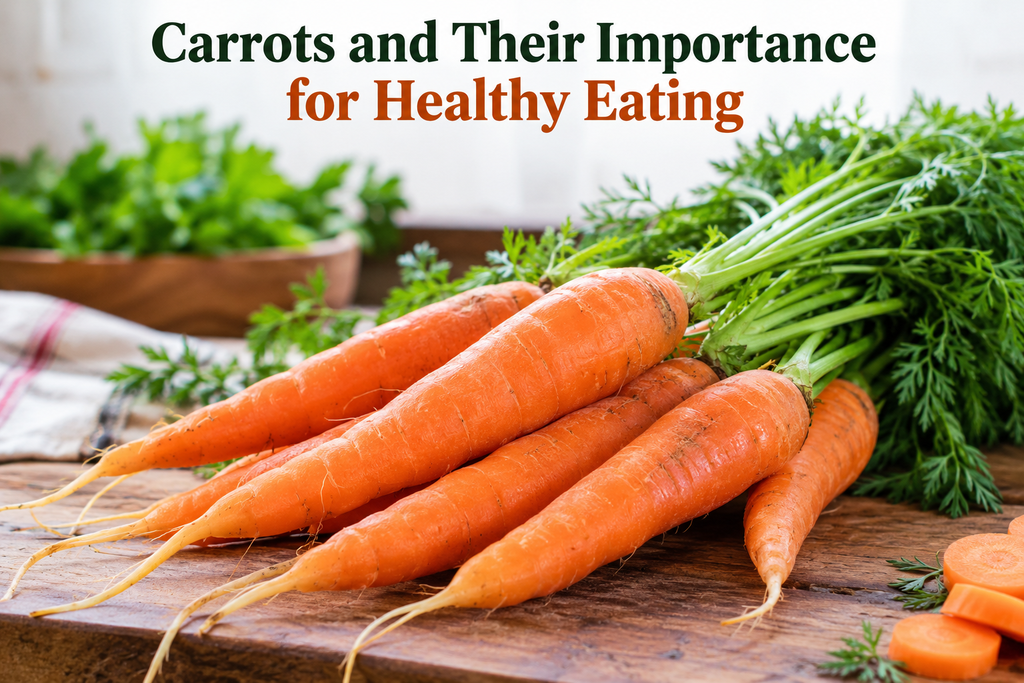
Carrots are one of the most familiar vegetables in the world, yet their nutritional value is sometimes underestimated. They are affordable, easy to prepare, naturally flavorful, and suitable for many different meals. From fresh salads and soups to cooked vegetables and healthy snacks, carrots can become a simple part of everyday eating.
When I think about healthy eating, I believe the most useful foods are often the simplest ones. A healthy diet does not always require expensive ingredients or complicated recipes. Everyday vegetables such as carrots can provide valuable nutrients while adding color, taste, and variety to meals.
The importance of carrots for healthy eating comes from their combination of vitamins, minerals, fiber, water, and natural plant compounds. Eating carrots as part of a balanced diet can support normal vision, digestion, immunity, heart health, and overall wellbeing.
Nutritional Value of Carrots
Carrots are especially known for their beta carotene content. Beta carotene is a natural plant pigment that gives many carrots their bright orange color. The body can convert beta carotene into vitamin A according to its needs.
Vitamin A performs several important functions in the body. It contributes to normal vision, immune function, skin health, and normal cell growth. Carrots also provide vitamin K, potassium, fiber, and smaller amounts of several other nutrients.
Another advantage of carrots is that they contain plenty of water while remaining relatively low in calories. This makes them a useful food for people who want meals that are satisfying without being unnecessarily heavy.
Carrots should not be considered a complete source of every nutrient. Healthy eating depends on variety. However, when carrots are combined with fruits, other vegetables, whole grains, healthy fats, and protein rich foods, they can make a valuable contribution to a balanced diet.
Carrots Are an Excellent Source of Beta Carotene
One of the most important nutritional qualities of carrots is their beta carotene content. Beta carotene belongs to a group of natural compounds called carotenoids.
Our bodies can use beta carotene to produce vitamin A. This is particularly useful because vitamin A is needed for many normal body functions.
The orange varieties of carrots are especially rich in beta carotene. Other varieties can contain different combinations of natural plant pigments as well. Purple carrots, for example, may contain anthocyanins, while yellow carrots contain other carotenoids.
This shows why eating vegetables of different colors is a useful habit. Different colors often represent different plant compounds, which is one reason nutrition experts commonly encourage dietary variety.
Carrots and Healthy Vision
Carrots have a long standing reputation for supporting eye health, and there is a sensible nutritional reason behind this connection.
Vitamin A plays an important role in normal vision. It is involved in the processes that allow the eyes to function properly, particularly under low light conditions.
Because beta carotene from carrots can be converted into vitamin A, eating carrots can contribute to adequate vitamin A intake.
However, carrots should not be treated as a magical food that can correct every vision problem. They support normal eye health as part of good nutrition, but they cannot replace glasses, medical treatment, or professional eye care when these are needed.
The healthiest approach is to include carrots together with other nutrient rich foods such as leafy green vegetables, eggs, fruits, nuts, seeds, and fish where appropriate.
Carrots Support Digestive Health
Fiber is another reason carrots are useful for healthy eating.
Dietary fiber is the part of plant foods that is not completely digested by the body. It helps support normal bowel movement and contributes to digestive health.
Carrots provide both nutrition and fiber in an easy to use form. Raw carrots offer a firm texture that requires chewing, while cooked carrots become softer but still contribute useful nutrients.
Eating enough fiber from vegetables, fruits, beans, lentils, and whole grains can help support a healthy digestive system.
Fiber can also make meals feel more satisfying. This can help people develop more balanced eating habits because foods rich in fiber generally provide greater fullness than highly processed snacks with little fiber.
Carrots Can Support Heart Friendly Eating
A heart friendly diet usually includes plenty of vegetables, fruits, whole grains, legumes, healthy fats, and foods that are not excessively processed.
Carrots fit naturally into this eating pattern.
Their fiber content makes them a useful vegetable for balanced meals. They also provide potassium, a mineral involved in normal muscle and nerve function as well as healthy fluid balance.
The natural plant compounds found in carrots can further increase the nutritional quality of a vegetable rich diet.
No single vegetable can protect the heart by itself. Heart health depends on the overall diet and lifestyle. Still, replacing heavily processed side dishes with vegetables such as carrots can be a positive everyday choice.
For example, adding roasted carrots to dinner instead of relying only on fried foods can increase vegetable intake and improve the nutritional balance of the meal.
Helpful for Healthy Weight Management
Carrots can be useful for people who are trying to maintain a healthy body weight.
Because carrots contain water and fiber while remaining relatively low in calories, they can add volume to meals without making them excessively calorie dense.
Raw carrot sticks can also be used as a convenient snack. They can be paired with foods such as hummus or yogurt based dips to create a more satisfying option.
Of course, weight management cannot depend on one food. Total eating habits, physical activity, sleep, stress, and individual health all matter.
Still, vegetables such as carrots can make healthy eating easier because they provide nutrients and volume while fitting comfortably into many eating patterns.
Carrots and Immune Function
A well functioning immune system depends on adequate nutrition.
Vitamin A is one of the nutrients involved in maintaining normal immune function. Since carrots provide beta carotene that the body can convert into vitamin A, they can contribute to this nutritional need.
Carrots also contain natural plant compounds that add to the diversity of nutrients in the diet.
It is important to understand that eating carrots will not prevent every illness. The immune system is complex and depends on many factors. However, regularly eating a variety of nutrient rich vegetables helps provide the body with the raw materials needed for normal health.
Carrots Can Support Skin Health
Vitamin A is also important for the normal maintenance of skin and other body tissues.
Carrots can therefore contribute indirectly to skin health through their beta carotene content.
Healthy skin depends on much more than carrots. Protein, healthy fats, vitamin C, vitamin E, water, sleep, sun protection, and overall health are also important.
This is why a colorful and varied diet is more useful than focusing on one so called beauty food.
Carrots are simply one nutritious addition to a broader healthy lifestyle.
Raw Carrots Versus Cooked Carrots
People sometimes wonder whether raw or cooked carrots are healthier.
Both can be part of a nutritious diet.
Raw carrots are crunchy, refreshing, and convenient. They work well in salads, lunch boxes, and snacks. They also provide fiber and require more chewing.
Cooked carrots are softer and can be easier for some people to eat. Cooking also changes the structure of the vegetable, which can make some carotenoids easier for the body to access.
Rather than deciding that one form is always superior, it is better to enjoy carrots in different ways.
You might eat raw carrots with lunch and cooked carrots with dinner. Variety in preparation can make healthy eating more enjoyable and sustainable.
Eating Carrots With Healthy Fats
Carotenoids such as beta carotene are fat soluble compounds. This means that eating carrots alongside a small amount of healthy fat can help the body absorb these compounds efficiently.
For example, carrots can be served with olive oil, nuts, seeds, avocado, or another source of healthy fat.
A simple carrot salad with a small amount of olive oil can therefore be both flavorful and nutritionally sensible.
There is no need to use large amounts of oil. A balanced meal containing a reasonable source of fat is enough.
Easy Ways to Add Carrots to Everyday Meals
One of the greatest benefits of carrots is their versatility.
They can be grated into salads, added to soups, cooked with lentils, mixed into vegetable dishes, roasted with herbs, or eaten raw as a snack.
Carrots can also be included in rice dishes, wraps, sandwiches, vegetable stews, and homemade sauces.
For breakfast or baking, grated carrots can be incorporated into certain muffins, breads, or oatmeal recipes. However, desserts containing carrots should still be viewed as desserts if they contain large amounts of sugar and fat.
The presence of carrots does not automatically make every recipe healthy.
Simple preparation methods usually allow the natural nutritional value of carrots to remain the main focus.
Carrots Make Healthy Eating More Affordable
Cost is an important part of practical nutrition.
A healthy diet must be realistic enough for people to maintain regularly. Carrots are useful because they are often less expensive than many specialty health foods.
They also store reasonably well when kept correctly, which can help reduce food waste.
Families can use carrots in soups, curries, mixed vegetables, salads, rice dishes, and snacks without needing complicated recipes.
This makes carrots particularly valuable for people who want to improve their diet while keeping food expenses under control.
Healthy eating does not have to depend on expensive products. Basic vegetables can often provide excellent nutritional value.
Different Types of Carrots Add Variety
Although orange carrots are the most common, carrots can also be purple, yellow, red, or white.
These varieties may contain different natural pigments and plant compounds.
Including vegetables in different colors can make meals more attractive while increasing dietary variety.
A colorful plate is not automatically healthy, but naturally colorful fruits and vegetables often provide a broad range of nutrients and beneficial plant compounds.
Trying different carrot varieties can therefore be an enjoyable way to make vegetable based meals more interesting.
Carrots Are Suitable for Many Eating Styles
Another reason carrots are important for healthy eating is their flexibility.
They can fit into vegetarian diets, plant based diets, traditional diets, and many balanced mixed diets.
They can be eaten by themselves or combined with protein rich foods such as beans, lentils, eggs, chicken, fish, yogurt, or other foods according to personal preference.
Carrots also work well with many herbs and spices. This allows people from different cultures to include them without completely changing the style of food they enjoy.
Sustainable healthy eating is usually easier when nutritious ingredients fit naturally into familiar meals.
Portion and Balance Still Matter
Carrots are nutritious, but healthy eating should always be based on balance.
Eating a very large amount of one food does not provide all the nutrients the body requires.
Carrots should be part of a diet containing several kinds of vegetables and fruits. Protein sources, whole grains, healthy fats, and adequate water are also important.
People with specific medical conditions may require personalized dietary advice from a qualified healthcare professional or registered dietitian.
For most healthy adults, however, regularly including carrots as one of several vegetables is a simple and practical habit.
Building a Healthy Plate With Carrots
A balanced plate can be simple.
Carrots can provide part of the vegetable portion of a meal. They can be combined with leafy greens, tomatoes, broccoli, beans, peas, or other vegetables.
Then a source of protein and a suitable whole grain or other carbohydrate can be added according to personal nutritional needs.
For example, a meal could contain roasted carrots and broccoli, brown rice, and grilled chicken or lentils. Another option could be carrot and cucumber salad served with beans and whole grain bread.
The purpose is not to follow one perfect plate every day. The goal is to create meals that provide variety, balance, and adequate nutrition over time.
Final Thoughts
Carrots deserve an important place in healthy eating because they are nutritious, affordable, versatile, and widely available. Their beta carotene content makes them particularly valuable as a dietary source that can contribute to vitamin A intake. They also provide fiber, potassium, water, and several natural plant compounds.
Regularly eating carrots can support a balanced approach to vision, digestive health, immune function, skin health, and general wellbeing. Their low calorie density and fiber content also make them useful for satisfying meals and healthy snacks.
The greatest benefit comes from eating carrots as part of a varied diet rather than treating them as a miracle food. Raw carrots, cooked carrots, soups, salads, roasted vegetables, and mixed dishes can all offer enjoyable ways to include them.
Healthy eating becomes easier when nutritious foods are simple enough to use every day. Carrots are a good example of this idea. They do not require complicated preparation or expensive ingredients. By adding carrots regularly alongside other vegetables and wholesome foods, it becomes easier to build a colorful, balanced, and nourishing diet for long term health.