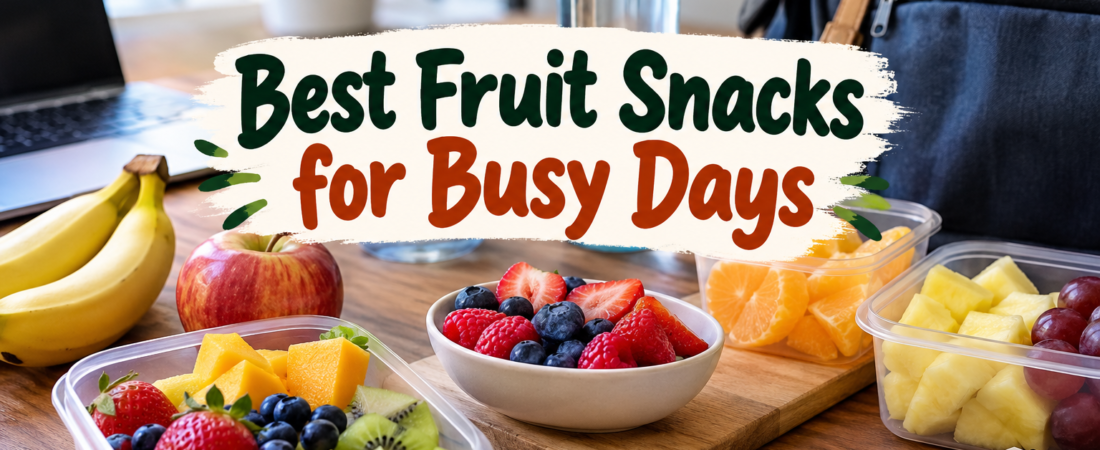
Busy days can make healthy eating difficult. When work, study, travel, family responsibilities, and daily tasks take most of our time, it becomes easy to choose packaged snacks, sweets, or fast food. These foods may be convenient, but they are not always the best choice for everyday nutrition. Fruit snacks offer a simple and refreshing solution.
The best fruit snacks for busy days are naturally sweet, easy to carry, simple to prepare, and full of important nutrients. Fresh fruits contain vitamins, minerals, fiber, water, and natural plant compounds that can support a balanced diet. Many fruits also require little or no preparation, which makes them especially useful when life becomes hectic.
I have always found that healthy eating becomes easier when simple foods are available at the right time. Keeping fruit nearby can reduce the temptation to reach for less nutritious snacks. From bananas and apples to berries and oranges, there are many practical choices for people with busy routines.
Why Fruit Makes a Great Snack
Fruit is one of the easiest foods to include in a daily routine. Most fruits can be eaten without complicated cooking or preparation. They also offer natural sweetness, making them a useful alternative when you want something sweet between meals.
Fresh fruit provides carbohydrates that the body can use for energy. It also contains dietary fiber, which can help make snacks more satisfying. Different fruits provide different vitamins and minerals, so eating a variety of colors can make everyday meals and snacks more interesting.
Another advantage is portability. Apples, bananas, oranges, pears, and grapes can easily be packed for work, college, school, or travel. Preparing fruit snacks in advance can make healthy eating even more convenient.
1. Apples
Apples are among the best fruit snacks for busy days because they are easy to store, carry, and eat. You do not need a container or special preparation if you are eating a whole apple.
Apples provide fiber and contain vitamin C along with natural plant compounds. Their firm texture also makes them satisfying when you want something crunchy.
You can keep an apple in your work bag or lunch box for a quick afternoon snack. Apple slices can also be combined with a small amount of peanut butter or another nut butter if you want a more filling snack.
Washing apples in advance and keeping them ready in the refrigerator can save time during busy mornings.
2. Bananas
Bananas may be one of the most convenient fruits available. They come with their own natural covering and can be eaten almost anywhere.
Bananas contain carbohydrates, potassium, vitamin B6, and other nutrients. Their soft texture and naturally sweet taste make them suitable for both adults and children.
A banana can be eaten before work, during a study break, or after physical activity. It can also be sliced into oatmeal, yogurt, or cereal.
When you know you will have a long day, carrying a banana can give you an easy snack without requiring any preparation.
3. Grapes
Grapes are small, sweet, juicy, and easy to enjoy throughout the day. They are especially convenient when washed and divided into small containers beforehand.
Both green and red grapes can be included in a balanced diet. They contain water and useful plant compounds while offering natural sweetness.
For busy days, wash a bunch of grapes in the evening and place individual portions in containers. The next morning, you can simply take one container from the refrigerator.
Chilled grapes can be particularly refreshing during warm weather.
4. Oranges
Oranges are another practical choice for healthy snacking. They contain vitamin C, water, fiber, and several beneficial plant nutrients.
Although peeling an orange takes a little more time than eating an apple, it is still a convenient snack for work or travel.
Mandarins and similar small citrus fruits are even easier to peel and can fit comfortably inside a lunch box.
The refreshing flavor of citrus fruits can be especially enjoyable during a busy afternoon when you want something light instead of a heavy snack.
5. Berries
Strawberries, blueberries, raspberries, and blackberries are excellent fruits to keep at home when you want quick snacks.
Berries contain fiber, vitamins, minerals, and natural antioxidant compounds. Their bright colors and refreshing flavors also make healthy snacks more enjoyable.
You can wash berries and store them in suitable containers in the refrigerator. Add them to plain yogurt, oatmeal, or a small bowl of mixed fruit.
Berries can be more delicate than apples or bananas, so they are best carried in a protective container.
6. Pears
Pears are often overlooked when people think about quick fruit snacks, but they are an excellent option. They have a sweet flavor, soft texture when ripe, and useful amounts of fiber.
A whole pear can easily be packed in a lunch bag and eaten during a break. Pear slices also taste good with yogurt, nuts, or nut butter.
Choose pears that are firm enough to carry without becoming damaged. If they are very ripe, store them in a container to protect them.

7. Peaches and Nectarines
Peaches and nectarines are wonderful snacks when they are in season. Their natural sweetness and juicy texture make them enjoyable without adding sugar or other ingredients.
They provide vitamins, water, fiber, and natural plant compounds.
Because ripe peaches can bruise easily, place them in a small container if you are carrying them to work or college. Nectarines are sometimes slightly easier to transport because they have smooth skin.
Both fruits can also be chopped and added to breakfast bowls or yogurt.
8. Kiwi Fruit
Kiwi is a small fruit that offers plenty of flavor. It contains vitamin C, fiber, and several other nutrients.
One simple way to eat kiwi during a busy day is to cut it in half and scoop out the inside with a spoon. You can also peel and slice several kiwi fruits in advance and store them in a sealed container.
Kiwi pairs well with strawberries, bananas, and grapes in a homemade fruit cup.
9. Watermelon
Watermelon is particularly useful during hot days because it contains a large amount of water. Its refreshing taste makes it a pleasant snack when the weather is warm or when you want something light.
Unlike bananas or apples, watermelon requires some preparation. However, preparing a large container at once can save time later.
Cut watermelon into small cubes and store them in the refrigerator. You can then divide them into portable containers for work, school, or travel.
It is naturally sweet and can help add variety to your daily fruit intake.
10. Mango
Mango is one of the most flavorful fruits and can turn an ordinary snack into something special. It provides vitamin C, vitamin A related compounds, fiber, and natural carbohydrates.
Mango requires peeling and cutting, so preparation in advance is helpful.
Cut ripe mango into cubes and keep individual portions in the refrigerator. You can eat them alone or add them to yogurt, oatmeal, or fruit salad.
Frozen mango pieces can also be convenient for homemade smoothies.
11. Pineapple
Pineapple has a sweet and slightly sharp flavor that makes it refreshing during busy days. It contains vitamin C, manganese, water, and other nutrients.
Fresh pineapple requires cutting, but it can be prepared once and enjoyed over several snack times.
Store pineapple cubes in a covered container in the refrigerator. Small portions are easy to carry and can be mixed with grapes, melon, or berries.
When purchasing prepared pineapple, choose options without unnecessary added sugar whenever possible.
12. Dried Fruit in Small Portions
Fresh fruit is usually an excellent everyday choice, but dried fruit can also be convenient when refrigeration is not available.
Raisins, dried apricots, dates, and dried figs are compact and easy to carry. Because the water has been removed, dried fruits contain more concentrated natural sugars and calories than the same amount of fresh fruit.
For this reason, smaller portions usually make sense.
Look for dried fruit without unnecessary added sugar. Combining a small amount of dried fruit with unsalted nuts can create a convenient snack for long workdays or travel.
Make Your Own Fruit Snack Box
Preparing a fruit snack box is one of the easiest ways to stay organized.
You can combine two or three fruits in a reusable container. For example, strawberries, grapes, and apple slices make a colorful snack box.
Another combination could include orange pieces, kiwi, and blueberries.
Preparing several containers at the beginning of the day or the night before can reduce the need to make food decisions when you are tired or busy.
A prepared snack is often easier to choose than searching for food when hunger suddenly appears.
Fruit and Yogurt
Fruit and plain yogurt make a simple snack when you have access to a refrigerator.
You can add sliced banana, berries, mango, peaches, or apple pieces to yogurt. This provides the natural sweetness of fruit along with the nutrients found in yogurt.
If you prefer additional texture, sprinkle a small amount of oats, seeds, or nuts on top.
Preparing the fruit separately and mixing it with yogurt just before eating can help maintain a pleasant texture.
Fruit with Nuts
Fruit can also be combined with nuts for a more satisfying snack.
An apple with almonds, a banana with walnuts, or grapes with pistachios can provide a mixture of carbohydrates, fiber, healthy fats, and protein.
Portion control is useful with nuts because they are energy dense. A small handful is usually enough to complement a piece of fruit.
This combination can be particularly useful during long periods between meals.
Prepare Fruit in Advance
One of the biggest challenges during busy days is not knowing what to eat. Preparation can solve much of this problem.
Choose several fruits during your regular grocery shopping. Wash fruits that can safely be washed in advance and keep them visible in the refrigerator or kitchen.
Cut larger fruits such as watermelon, pineapple, and mango when you have free time.
Use small containers to create ready to eat portions. When the next busy day arrives, your snack will already be prepared.
Keeping whole fruits such as apples, oranges, and bananas in visible places can also remind you to eat them.
Choose a Variety of Colors
Different fruits contain different nutrients and plant compounds, which is why variety is valuable.
Red strawberries, purple grapes, green kiwi, yellow bananas, orange mangoes, and blueberries all provide different nutritional qualities.
Instead of eating the same fruit every day, try changing your choices throughout the week.
Variety can also prevent healthy eating from becoming boring.
Avoid Turning Fruit Into an Unhealthy Snack
Fruit itself is naturally nutritious, but some fruit based products contain large amounts of added sugar.
Fruit flavored candies, sweetened fruit drinks, sugary syrups, and heavily sweetened dried fruits are different from eating whole fruit.
Whenever possible, choose fresh fruit, frozen fruit without added sugar, or dried fruit with simple ingredients.
Whole fruit is usually more satisfying because it retains its natural fiber and structure.
Easy Fruit Snacks for Work
For office days, choose fruits that travel well.
Apples, bananas, mandarins, pears, and grapes are excellent options. You can keep a few pieces of whole fruit at your desk if storage conditions are suitable.
If you have access to a refrigerator, prepared berries, melon, pineapple, or fruit and yogurt cups become convenient choices.
Having healthy snacks available can also reduce unnecessary trips to vending machines or nearby fast food shops.
Fruit Snacks for Travel
Travel can make healthy eating more challenging.
Whole fruits that are easy to carry, such as bananas, apples, and oranges, can be useful for shorter journeys. Dried fruit can be convenient when refrigeration is unavailable.
For road trips, a cooler can hold grapes, berries, sliced watermelon, and prepared fruit cups.
Always store cut fruit properly and avoid keeping perishable foods at unsafe temperatures for long periods.
Final Thoughts
The best fruit snacks for busy days do not need complicated recipes or expensive ingredients. Simple fruits such as apples, bananas, grapes, oranges, berries, pears, kiwi, watermelon, mango, and pineapple can make everyday snacking healthier and more enjoyable.
The most important habit is preparation. Keeping fruit washed, visible, portioned, and ready to eat makes it much easier to choose nutritious foods during a busy routine.
Whole fruits offer natural sweetness, fiber, water, vitamins, minerals, and useful plant compounds. By choosing different fruits throughout the week, you can enjoy a wider range of flavors and nutrients.
Healthy eating does not always require major changes. Sometimes, something as simple as putting an apple in your bag, keeping grapes in the refrigerator, or preparing a small fruit box can improve your daily food choices. When convenient options are already available, choosing healthy fruit snacks becomes a natural part of even the busiest day.