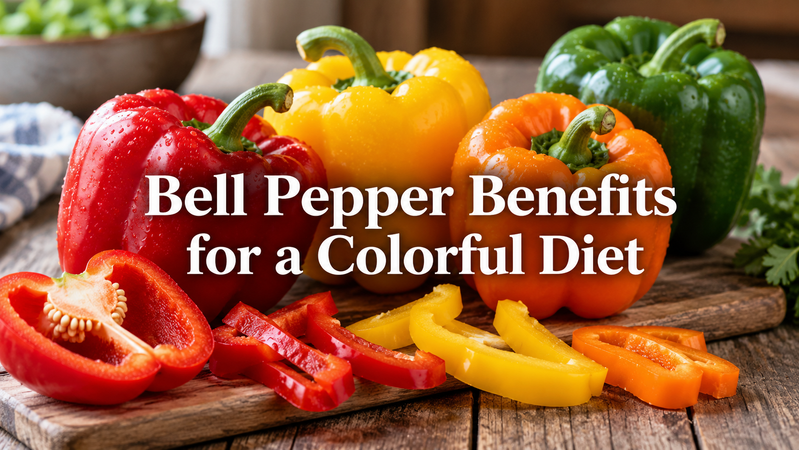
A colorful plate is often a sign of a balanced and enjoyable meal, and bell peppers are one of the easiest vegetables to add when you want more color and nutrition in your diet. Bell peppers are available in beautiful shades of green, red, yellow, and orange. Each variety has a fresh taste, pleasant crunch, and useful nutrients that can support everyday health.
Bell peppers can be eaten raw, cooked, roasted, stuffed, or added to salads, soups, sandwiches, rice dishes, and many other meals. Their natural sweetness and crisp texture make them suitable for both simple snacks and complete recipes.
When I think about foods that combine good taste, bright appearance, and useful nutrition, bell peppers easily earn a place on the list. Learning about bell pepper benefits can also help us understand why adding different vegetables to daily meals is important.
What Are Bell Peppers?
Bell peppers are colorful vegetables commonly used in kitchens around the world. They belong to the same plant family as chili peppers, but bell peppers are usually mild because they contain very little of the compound responsible for the hot taste of chili peppers.
Bell peppers begin green and may turn yellow, orange, or red as they mature, depending on the variety. Green bell peppers generally have a slightly stronger and more bitter taste, while red, yellow, and orange peppers are usually sweeter.
The nutritional content also changes slightly as the peppers mature. All colors can be part of a healthy diet, so eating a mixture is a simple way to enjoy different flavors and nutrients.
Bell Peppers Are Rich in Vitamin C
One of the most important bell pepper benefits is their vitamin C content. Vitamin C is an essential nutrient that performs several important functions in the body.
It supports the normal function of the immune system and helps the body produce collagen. Collagen is a protein that contributes to healthy skin and connective tissues. Vitamin C also helps the body absorb iron from plant foods.
Red and other fully ripened bell peppers are particularly known for providing vitamin C. Adding sliced peppers to meals can therefore be a simple way to increase the amount of this nutrient in the diet.
Instead of relying on only one source of vitamin C, it is useful to include a variety of fruits and vegetables. Bell peppers can work well alongside oranges, strawberries, tomatoes, broccoli, and other nutritious foods.
Bell Peppers Support a Colorful Diet
Nutrition experts often encourage people to eat vegetables of different colors. The idea is simple. Different colors in plant foods are often connected with different natural compounds and nutrients.
Bell peppers make this approach easy because several colors are available from the same type of vegetable.
Red bell peppers can add rich color to salads and cooked dishes. Yellow peppers provide a bright appearance and mild sweetness. Orange peppers can make meals look fresh and attractive. Green peppers provide a stronger flavor that works especially well in savory dishes.
Using several colors together can make an ordinary meal look much more appealing.
A colorful meal is not only attractive. It can also encourage people to eat a wider variety of vegetables rather than depending on the same foods every day.
A Good Source of Antioxidants
Bell peppers contain natural plant compounds with antioxidant properties. Antioxidants help protect cells from oxidative stress caused by unstable molecules known as free radicals.
The body naturally produces some free radicals as part of normal processes. Environmental factors and lifestyle can also influence their formation.
Eating a diet rich in fruits and vegetables provides the body with many beneficial plant compounds. Bell peppers contain several of these compounds, including carotenoids.
Red, yellow, and orange peppers are especially noticeable because the pigments responsible for their bright colors are related to these natural compounds.
It is important to remember that no single vegetable can protect the body from every health problem. The greatest benefit comes from eating bell peppers as part of an overall balanced diet that contains many different plant foods.
Bell Peppers May Support Eye Health
Bell peppers provide nutrients and plant compounds that can contribute to normal eye health.
Certain colorful peppers contain carotenoids, including lutein and zeaxanthin. These compounds are also found in several green and colorful vegetables and are associated with the tissues of the eyes.
Vitamin C and other antioxidants in vegetables also contribute to a nutrient rich eating pattern.
For healthy eyes, it is useful to eat a wide range of foods rather than focusing on one ingredient. Leafy greens, carrots, eggs, fish, fruits, nuts, and colorful vegetables can all contribute different nutrients.
Bell peppers are particularly easy to include because they can be eaten both raw and cooked.
Bell Peppers Are Low in Calories
People who want to create balanced meals often look for foods that provide nutrients without adding excessive calories. Bell peppers fit well into this type of diet.
They contain a large amount of water and are naturally relatively low in calories. At the same time, they provide vitamins, plant compounds, and some dietary fiber.
This combination makes bell peppers useful for increasing the volume of meals.
For example, sliced peppers can be added to an omelet, sandwich, rice bowl, or salad to make the meal larger and more colorful without relying entirely on high calorie ingredients.
The goal of healthy eating should not simply be to eat as few calories as possible. The better approach is to choose nutritious foods that help create satisfying and balanced meals.
Helpful for Healthy Digestion
Bell peppers contain dietary fiber, an important component of a healthy diet. Fiber contributes to normal digestive function and helps support regular bowel movements.
Vegetables, fruits, whole grains, beans, nuts, and seeds are all useful sources of dietary fiber.
Bell peppers may not contain as much fiber as certain beans or whole grains, but they can still contribute to total daily intake.
Eating them together with other fiber rich foods can create a more balanced meal.
For example, a bowl containing brown rice, beans, grilled bell peppers, tomatoes, spinach, and another protein source can provide several types of nutrients in one meal.
When increasing dietary fiber, drinking enough water is also important.
Bell Peppers Can Support Weight Management
Bell peppers can be useful in a diet designed for healthy weight management because they are refreshing, crunchy, and relatively low in calories.
Raw pepper slices can be used as a snack instead of foods that contain large amounts of added sugar or unhealthy fats.
They can also add volume to meals, which may help make food more satisfying.
However, successful weight management depends on the entire eating pattern, physical activity, sleep, portion sizes, and other lifestyle factors.
Bell peppers should therefore be viewed as one nutritious part of a balanced lifestyle rather than a special weight loss food.
A simple snack of bell pepper strips with hummus or another nutritious dip can provide a satisfying combination of vegetables, fiber, and flavor.
Bell Peppers Contain Vitamin A Related Nutrients
Red and orange bell peppers contain carotenoids that the body can use in different ways. Some carotenoids can be converted into vitamin A.
Vitamin A is important for normal vision, immune function, and the maintenance of healthy tissues.
Colorful plant foods such as carrots, sweet potatoes, pumpkins, leafy vegetables, and bell peppers can all contribute useful carotenoids to the diet.
This is another reason why eating vegetables of different colors is valuable.
Instead of eating only green vegetables every day, adding orange, red, purple, and yellow foods can increase dietary variety.
Bell Peppers Are Naturally Hydrating
Bell peppers have a high water content, which gives them their fresh and crisp texture.
Water rich foods can contribute to overall fluid intake, although drinking water should remain the main method of staying hydrated.
During warm weather, fresh vegetables such as bell peppers, cucumbers, tomatoes, and lettuce can make meals feel lighter and more refreshing.
A simple salad containing chopped bell peppers, cucumber, tomato, leafy greens, and a light dressing can be a pleasant addition to lunch or dinner.
Their water content also makes raw bell peppers enjoyable as a crunchy snack.
Bell Peppers Can Make Healthy Food More Appealing
One of the most practical bell pepper benefits is their ability to improve the appearance of food.
People often enjoy meals more when they look fresh and colorful.
Imagine a plain bowl of rice. Adding green, yellow, and red bell peppers immediately changes its appearance. The same is true for pasta, salads, sandwiches, and egg dishes.
This can be especially useful when encouraging children or family members to eat more vegetables.
Presentation cannot replace good nutrition, but attractive food can make healthy ingredients feel more interesting.
Using different colored peppers is an easy way to make homemade meals look more vibrant without using artificial colors.
Easy Ways to Eat Bell Peppers
Bell peppers are extremely versatile.
One of the simplest ways to enjoy them is raw. Wash the pepper, remove the seeds, and cut it into strips. These strips can be eaten alone or served with hummus, yogurt dip, or another nutritious spread.
Bell peppers also taste excellent in salads. Red and yellow peppers provide natural sweetness, while green peppers add a sharper flavor.
They can be cooked with onions and tomatoes for use in omelets or other breakfast dishes.
Bell peppers can also be added to chicken, fish, beans, pasta, soups, and rice.
Roasting peppers produces a softer texture and deeper flavor. Stuffed bell peppers are another popular option. They can be filled with rice, vegetables, beans, lean meat, or other ingredients depending on personal preference.
The variety of preparation methods makes it easier to include bell peppers regularly without making meals repetitive.
Red, Yellow, Orange, or Green Bell Peppers
Many people wonder which bell pepper color is best.
There is no need to choose only one.
Green peppers usually have a stronger and slightly bitter flavor. They work well in cooked dishes where a more savory taste is preferred.
Red peppers are generally sweeter because they are more mature. They are excellent for salads, roasting, and sandwiches.
Yellow and orange peppers usually have a mild and sweet flavor that works well in both raw and cooked dishes.
The nutritional profile varies slightly between colors because the peppers are at different stages of maturity and contain different pigments.
For everyday eating, using several colors is a practical choice.
Choosing and Storing Fresh Bell Peppers
When buying bell peppers, look for peppers with firm, smooth skin and a fresh appearance.
The pepper should feel solid rather than soft or wrinkled. The stem should also appear relatively fresh.
Store bell peppers in the refrigerator to help maintain their texture and freshness.
It is usually better to wash them shortly before use rather than storing them while wet because excess moisture can encourage spoilage.
Before eating, rinse the pepper properly under clean running water.
Remove damaged areas if necessary, then cut around the stem and remove the seeds.
Although the seeds are not normally harmful, most people remove them because they do not add much to the eating experience.
Bell Peppers Fit Many Eating Styles
Another advantage of bell peppers is that they can fit easily into many different eating patterns.
They can be included in vegetarian meals, plant based diets, Mediterranean style meals, high protein dishes, and traditional home cooking.
Vegetarians can combine bell peppers with lentils, beans, tofu, or chickpeas.
People who eat meat can cook peppers alongside chicken, beef, fish, or eggs.
They also work well with whole grains such as brown rice, oats in savory recipes, quinoa, or whole wheat pasta.
Because bell peppers have a mild flavor, they combine easily with herbs, spices, and many other vegetables.
A Simple Food for Better Everyday Eating
Healthy eating does not always require complicated recipes or expensive ingredients. Sometimes improving a meal can be as simple as adding another vegetable.
Bell peppers are a good example.
They provide color, crunch, vitamin C, useful plant compounds, water, and dietary fiber. They can be prepared in many different ways and combined with foods that people already enjoy.
The greatest value comes from making vegetables a regular part of everyday meals.
Adding peppers to breakfast eggs, lunch salads, evening rice dishes, soups, or snacks can gradually increase vegetable intake without making major changes to the diet.
Final Thoughts
Bell pepper benefits go beyond their attractive appearance. These colorful vegetables provide vitamin C, antioxidants, carotenoids, water, dietary fiber, and several other nutrients that can contribute to a balanced eating pattern.
Their bright colors also make healthy meals more appealing and encourage greater variety in the diet.
Red, yellow, orange, and green bell peppers each offer a slightly different flavor and nutritional profile. Instead of searching for one perfect color, enjoying a mixture is a simple way to make meals more interesting.
Bell peppers can be eaten raw, roasted, cooked, stuffed, or mixed into countless everyday dishes. Their versatility makes them one of the easiest vegetables to include regularly.
A healthy diet is built through consistent everyday choices. Adding more colorful vegetables is one of those choices, and bell peppers provide a simple, tasty, and practical way to do it.
Whether they are sliced into a fresh salad, cooked with eggs, added to rice, roasted with other vegetables, or eaten as a crunchy snack, bell peppers can bring both nutrition and color to the plate. Making them part of a varied diet can help create meals that are not only healthier but also more enjoyable to eat.