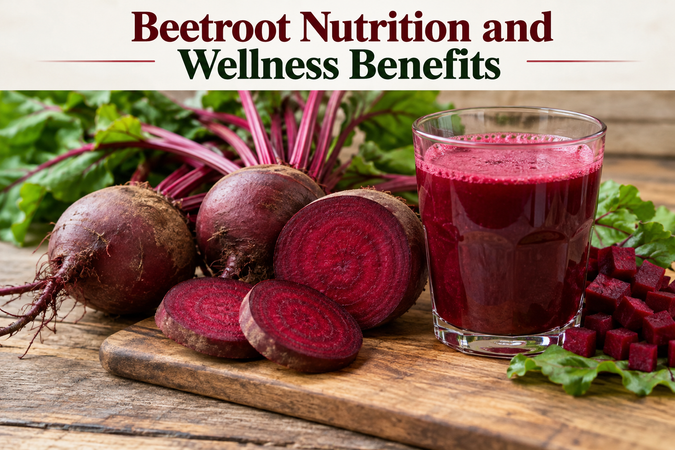
Beetroot is one of those simple vegetables that can add both color and valuable nutrition to everyday meals. Its deep red or purple color makes it easy to recognize, but beetroot offers much more than attractive appearance. It contains important vitamins, minerals, fiber, natural plant compounds, and dietary nitrates that can support general health when included as part of a balanced diet.
Beetroot can be eaten raw, boiled, roasted, steamed, blended into smoothies, or added to salads and soups. Its naturally sweet and earthy flavor works well with many foods. Because it is nutritious, versatile, and easy to prepare, beetroot can be a useful choice for people who want to improve the overall quality of their diet.
Nutritional Value of Beetroot
Beetroot contains a good combination of nutrients while remaining relatively low in calories. It provides carbohydrates for energy, dietary fiber for digestion, and several essential micronutrients.
One of the most notable nutrients in beetroot is folate. Folate is a B vitamin that plays an important role in normal cell growth and the formation of genetic material. It is especially important during periods when the body is producing new cells rapidly.
Beetroot also contains potassium, which helps support normal muscle and nerve function. Potassium is an important mineral for maintaining fluid balance in the body and contributes to normal cardiovascular function.
Other nutrients found in beetroot include manganese, vitamin C, iron, magnesium, and small amounts of several other vitamins and minerals. The exact nutrient content can vary depending on the size of the beetroot and the way it is prepared.
Beetroot Contains Natural Dietary Nitrates
One of the most interesting nutritional features of beetroot is its natural nitrate content. Dietary nitrates are compounds found naturally in certain vegetables, particularly beetroot and leafy greens.
After nitrate is consumed, the body can convert part of it into nitric oxide. Nitric oxide helps blood vessels relax and supports healthy blood circulation. Because of this process, beetroot has become popular among people interested in cardiovascular wellness and physical performance.
This does not mean beetroot should be treated like medicine. It is simply a nutritious vegetable that contains naturally occurring compounds that may support normal body functions when eaten regularly as part of a healthy lifestyle.
Beetroot May Support Heart Wellness
Heart health is influenced by many factors, including diet, physical activity, sleep, stress management, and body weight. Eating more vegetables is generally associated with better overall dietary quality, and beetroot can be a useful part of this pattern.
The potassium in beetroot supports normal blood pressure regulation, while dietary nitrates may contribute to healthy blood vessel function. Fiber also plays a role in supporting cardiovascular wellness because fiber rich foods are commonly recommended as part of heart friendly eating patterns.
A healthy diet should include a variety of vegetables rather than depending on one specific food. Beetroot can be combined with leafy greens, carrots, tomatoes, cucumbers, beans, whole grains, and other nutritious foods to create balanced meals.
Helpful for Healthy Blood Circulation
Good circulation allows oxygen and nutrients to reach tissues throughout the body. The natural nitrates found in beetroot may help support circulation because of their relationship with nitric oxide production.
For this reason, beetroot juice is sometimes used by athletes before physical activity. Improved blood flow may help muscles receive oxygen efficiently during exercise. However, individual responses can vary, and beetroot should be viewed as one part of an overall nutritious diet rather than a guaranteed performance enhancer.
Whole beetroot also provides fiber, which beetroot juice may contain in smaller amounts depending on how it is prepared. For everyday nutrition, eating the whole vegetable is often a practical choice.
Supports Digestive Health
Beetroot contains dietary fiber, which is important for normal digestion. Fiber helps add bulk to stool and supports regular bowel movements. It also contributes to the health of the digestive system by providing food for beneficial gut bacteria.
A diet rich in fruits, vegetables, legumes, and whole grains usually provides more fiber than a diet based heavily on highly processed foods. Adding beetroot to salads, vegetable dishes, or grain bowls can help increase total fiber intake.
It is also important to drink enough water when increasing fiber intake. Fiber works best when the body is properly hydrated.
A Source of Antioxidant Plant Compounds
The strong red and purple color of beetroot comes mainly from natural pigments known as betalains. These compounds have antioxidant properties.
Antioxidants help protect cells from oxidative stress caused by unstable molecules known as free radicals. The body naturally produces free radicals during normal metabolism, but lifestyle factors and environmental exposure can also increase oxidative stress.
A diet containing many colorful plant foods provides a wide range of natural antioxidants. Beetroot can contribute to this variety along with berries, tomatoes, peppers, carrots, leafy greens, and other brightly colored foods.
Beetroot and Exercise Performance
Beetroot has become especially popular in sports nutrition because of its nitrate content. Some athletes consume beetroot juice before training or competition because dietary nitrates may support oxygen efficiency and blood flow.
For ordinary people, beetroot can also be useful before or after physical activity simply because it provides carbohydrates, minerals, and plant nutrients.
For example, cooked beetroot can be added to a pre exercise meal with rice, potatoes, yogurt, or lean protein. After exercise, it can be included in a balanced meal containing protein, healthy carbohydrates, and vegetables.
Exercise benefits depend on many factors, including fitness level, hydration, sleep, overall food intake, and training consistency. Beetroot can support a healthy diet, but it cannot replace these basic habits.
Beetroot May Support Brain Health
Healthy blood circulation is also important for the brain. Since dietary nitrates may support blood vessel function, researchers have shown interest in the possible relationship between nitrate rich foods and cognitive wellness.
Beetroot also provides folate, which contributes to normal nervous system function and healthy cell processes.
Maintaining brain health requires a combination of nutritious food, physical activity, adequate sleep, mental stimulation, and management of cardiovascular risk factors. Eating vegetables such as beetroot can be one small part of this wider lifestyle approach.
Useful for Weight Management
Beetroot can fit well into a healthy weight management plan because it is relatively low in calories while still providing fiber and valuable nutrients.
Fiber rich foods can help meals feel more satisfying. When vegetables take up a larger portion of the plate, they can help increase food volume without adding excessive calories.
A simple beetroot salad with cucumber, carrots, lemon juice, herbs, and a moderate amount of healthy fat can be filling and refreshing. Roasted beetroot can also be served with grilled chicken, fish, beans, lentils, or whole grains.
Healthy weight management is not about eating one special vegetable. It depends on total calorie intake, food quality, activity level, sleep, and long term consistency.
Beetroot Supports a Balanced Diet
One of the main wellness benefits of beetroot is simply that it helps increase vegetable variety. Eating different types of vegetables provides a broader range of nutrients and plant compounds.
Beetroot can be used in both traditional and modern meals. It can be boiled and served with spices, grated into salads, roasted with other root vegetables, blended into soups, or mixed into smoothies.
Using beetroot in different ways can also prevent meals from becoming repetitive. Variety is important because people are more likely to maintain healthy eating habits when their meals remain enjoyable.
Raw Beetroot Versus Cooked Beetroot
Both raw and cooked beetroot can be nutritious.
Raw beetroot has a firm texture and can be grated into salads or thinly sliced. Cooking makes beetroot softer and often increases its natural sweetness.
Boiling may cause some water soluble nutrients to move into the cooking water. Steaming or roasting can help retain more flavor and nutrients. However, boiled beetroot is still nutritious and can be part of a healthy meal.
The most important point is to prepare beetroot in a way that encourages you to eat it regularly without adding excessive amounts of sugar, salt, or unhealthy fats.
Beetroot Juice and Whole Beetroot
Beetroot juice is convenient and provides many of the natural compounds found in fresh beetroot. It is especially known for its nitrate content.
However, whole beetroot usually provides more dietary fiber. This makes whole beetroot a better everyday option for people who want digestive benefits and greater fullness.
Beetroot juice can still be enjoyed in moderate amounts. It is best to choose products without large amounts of added sugar. Homemade beetroot juice can also be combined with ingredients such as carrot, apple, lemon, ginger, or cucumber.
Beetroot Leaves Are Also Nutritious
Many people throw away beetroot leaves without realizing that they are edible. Beet greens can be cooked similarly to spinach or other leafy vegetables.
They contain vitamins, minerals, and plant compounds that can contribute to a nutritious diet. The leaves can be sautéed, added to soups, or mixed into vegetable dishes.
Using both the root and leaves also helps reduce food waste.
Easy Ways to Add Beetroot to Meals
There are many simple ways to enjoy beetroot. You can grate raw beetroot into a fresh salad with carrots and cucumber. Roasted beetroot can be served with potatoes and other vegetables. Cooked beetroot can be sliced and added to sandwiches or grain bowls.
You can also blend beetroot into smoothies with fruit and yogurt. Beetroot soup can be a warm and satisfying option during cooler weather.
Another simple idea is to combine chopped beetroot with chickpeas, herbs, lemon juice, and a small amount of olive oil. This creates a nutritious meal containing fiber, plant protein, vitamins, and minerals.
Possible Effects to Keep in Mind
Beetroot is safe for most people when eaten as a normal food. However, it can cause urine or stool to appear pink or red in some people. This is commonly known as beeturia and is usually harmless.
Beetroot also contains oxalates. People who have been advised to limit high oxalate foods because of certain types of kidney stones may need to discuss their intake with a qualified healthcare professional.
People who have specific medical conditions or take medications that affect blood pressure should also follow advice from their healthcare provider rather than making major dietary changes based on one food.
How Much Beetroot Should You Eat?
There is no single ideal amount that everyone needs to eat. Beetroot can simply be included as one of many vegetables in a balanced eating pattern.
A small to medium beetroot added to a meal several times per week can be a practical approach for many people. The goal should not be to eat extremely large amounts but to maintain variety.
A colorful plate containing different vegetables, fruits, whole grains, healthy fats, and good sources of protein provides broader nutritional benefits than relying heavily on one ingredient.
Final Thoughts
Beetroot is a nutritious and versatile vegetable that deserves a place in a balanced diet. It provides fiber, folate, potassium, manganese, antioxidants, and natural dietary nitrates. These nutrients and plant compounds may support digestion, normal circulation, cardiovascular wellness, exercise performance, and overall health.
One of the greatest advantages of beetroot is how easily it can be added to everyday meals. It can be eaten raw, boiled, roasted, steamed, juiced, or blended into different recipes.
The best approach to nutrition is not to search for one perfect food. Good health comes from consistent eating habits built around a wide variety of nutritious foods. When beetroot is included alongside other vegetables, fruits, whole grains, legumes, protein sources, and healthy fats, it can make a valuable contribution to a healthy and enjoyable lifestyle.