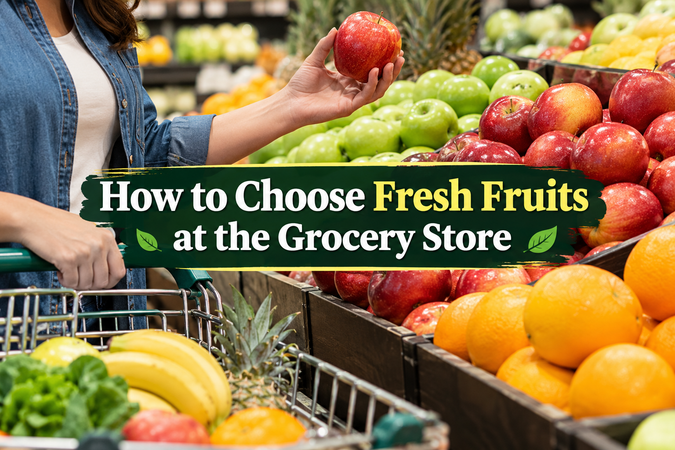
Buying fresh fruit may look like a simple part of grocery shopping, but choosing the best fruit requires a little knowledge and attention. A fruit can look beautiful from the outside and still be unripe, overripe, dry, or damaged inside. On the other hand, a fruit with a small natural mark may be perfectly fresh and delicious.
Learning how to choose fresh fruits at the grocery store can help you enjoy better flavor, reduce food waste, and get more value from your grocery budget. Fresh fruits are an important part of everyday eating because they provide vitamins, minerals, fiber, water, and naturally occurring plant nutrients.
When I started paying more attention to fruit quality, I realized that appearance alone should never be the only factor. Color, smell, firmness, weight, season, and storage condition can all provide useful information. With a few simple habits, anyone can become better at selecting fresh produce.
Start With the Overall Appearance
The first thing I check when choosing fresh fruit is its general appearance. Fresh fruit should normally look clean, healthy, and naturally vibrant.
This does not mean every fruit needs to look perfectly shaped. Fruits naturally grow in different sizes and forms. A slightly uneven apple or orange can still have excellent flavor and quality.
What matters more is avoiding fruits with obvious signs of spoilage. Deep cuts, large bruises, mold, leaking juice, and very soft damaged areas may indicate that the fruit is beginning to deteriorate.
The skin should usually look appropriate for that particular type of fruit. Apples should appear firm and smooth. Grapes should look plump. Berries should appear fresh rather than crushed or watery.
Learning the normal appearance of different fruits makes grocery shopping much easier.
Pay Attention to Natural Color
Color can provide useful clues about freshness and ripeness, although it should not be used alone.
Different fruits develop different colors as they mature. Bananas usually change from green to yellow as they ripen. Strawberries develop a rich red color. Many mango varieties become more colorful as they mature, although some may remain partly green even when ripe.
When choosing fruit, I look for a natural and even color that matches the variety.
Very pale fruit may sometimes be underripe, while unusually dark or dull areas can suggest aging or bruising. However, natural variations are completely normal.
It is also important to understand that attractive color does not always mean better taste. Some commercially grown fruits may look beautiful but still need additional time to ripen.
Use color as one clue along with smell, texture, and firmness.
Check the Firmness
Firmness is one of the easiest ways to judge many fruits.
Gently hold the fruit without squeezing it aggressively. Pressing too hard can damage delicate produce and make it difficult for other shoppers to buy good quality fruit.
Apples and pears should normally feel firm, although a ripe pear may become slightly softer near the stem. Peaches, plums, mangoes, and avocados can have a slight softness when ready to eat.
Extremely hard fruit may need more time to ripen. Fruit that feels unusually soft or mushy may already be overripe.
The ideal firmness also depends on when you plan to eat the fruit. If you want to eat a peach today, a slightly soft one may be a good choice. If you want to keep it for several days, selecting a firmer peach may be better.
Smell the Fruit When Appropriate
A pleasant natural aroma is another useful sign when learning how to choose fresh fruits at the grocery store.
Ripe peaches, mangoes, melons, pineapples, and some other fruits often develop a noticeable sweet smell. The aroma is usually strongest near the stem.
A fruit with almost no smell may still be underripe. A very strong fermented or sour smell can suggest that it has become overripe.
Smell is especially helpful when selecting fruits where skin color is not a reliable indicator of ripeness.
For example, some mango varieties can remain green even when they are ready to eat. Their aroma and gentle softness may provide better information than their color.
Choose Fruits That Feel Heavy for Their Size
Weight is a useful quality indicator for many fruits.
When comparing two fruits of similar size, I often choose the one that feels heavier. Extra weight can indicate good moisture content and juiciness.
This method works particularly well for oranges, grapefruits, lemons, watermelons, and other juicy fruits.
A large orange that feels surprisingly light may have lost moisture. A smaller orange that feels dense and heavy can sometimes be much juicier.
Of course, you do not need to weigh every piece of fruit. Simply holding two similar fruits can help you notice the difference.
Examine the Stem Area
The area around the stem can reveal important information about freshness.
Check for mold, cracks, unusual softness, or leaking liquid near the stem. These signs may indicate deterioration.
For fruits such as apples, pears, mangoes, and peaches, the stem area should generally look clean and healthy.
In some fruits, smell near the stem can also help you judge ripeness.
Pineapples are a good example. A fresh pineapple should usually have healthy looking leaves and a pleasant aroma near the base. Avoid pineapples with strong fermented smells or large areas of soft damage.
Look Carefully at Packaged Fruits
Berries, grapes, cherries, and similar fruits are often sold in containers. You should examine more than just the fruit visible on top.
Look through the sides and bottom of the package if possible.
Sometimes the top layer appears perfect while damaged or moldy fruit is hidden underneath. Excess liquid at the bottom of a container can also be a warning sign because it may indicate crushed or deteriorating fruit.
When buying strawberries, blueberries, raspberries, or blackberries, select containers with dry looking fruit and minimal damage.
Avoid packages with visible mold. Mold can spread quickly among soft fruits, so even a small affected area deserves attention.
Know How to Choose Fresh Apples
Fresh apples should generally feel firm and heavy for their size.
Look for smooth skin without major soft spots or deep bruises. Small natural marks are usually not a problem.
Different apple varieties have different colors, so do not expect every good apple to be completely red. Green, yellow, pink, and mixed color varieties can all be excellent.
Avoid apples that feel soft, wrinkled, or unusually light.
Firm apples can usually be stored longer than many delicate fruits, making them a practical grocery choice.
Select Good Bananas Based on Your Needs
The best banana depends on when you plan to eat it.
Green bananas are less ripe and may take several days to become sweet and soft. Yellow bananas are usually ready to eat. Bananas with some small brown spots are often sweeter and softer.
If you are shopping for an entire week, buying bananas at different stages of ripeness can be helpful.
Choose some yellow bananas for immediate eating and a few slightly greener ones for later.
Avoid bananas with large damaged areas, leaking skin, or an unpleasant smell.
Choose Fresh Oranges and Other Citrus Fruits
When selecting oranges, lemons, limes, or grapefruits, look for fruits that feel heavy compared with their size.
Heavy citrus fruits often contain more juice.
The skin should feel relatively firm and healthy. Small surface marks usually do not affect the fruit inside.
Avoid citrus fruits with soft wet areas, mold, or serious damage.
A strong fresh citrus aroma can also be a positive sign.
Remember that skin thickness can vary between varieties, so a smooth surface is not always necessary for good quality.
Check Grapes Carefully
Fresh grapes should look plump and should remain firmly attached to their stems.
The stems should ideally look fresh rather than extremely dry or brittle.
A few loose grapes in a bag may be normal, but large numbers of crushed or detached grapes can indicate that the package has been stored for too long.
Avoid grapes with mold, leaking juice, or excessive wrinkles.
Some grapes naturally have a light powdery coating on their skin. This is often a natural protective layer and should not automatically be confused with mold.
Selecting Fresh Berries
Berries are delicious but highly delicate.
Choose strawberries that look bright and fresh with healthy green tops. Avoid containers containing crushed, wet, or moldy berries.
Blueberries should appear plump and firm rather than wrinkled.
Raspberries and blackberries should also look dry and intact.
Because berries can spoil quickly, I prefer buying only the amount I expect to use within a reasonable time.
Planning before shopping can reduce unnecessary waste.
How to Choose a Good Watermelon
Selecting a watermelon may seem difficult because you cannot see the inside.
Start by choosing one that feels heavy for its size. The surface should feel firm without major soft spots.
Many ripe watermelons have a creamy or yellowish field spot where they rested on the ground while growing.
A very pale field spot may suggest that the melon was harvested earlier.
The watermelon should also have a balanced shape without severe cracks or damage.
No single method guarantees a perfect watermelon, but combining weight, appearance, and surface condition can improve your chances.
Shop for Seasonal Fruits
Seasonality can make a noticeable difference in fruit quality.
Fruits harvested during their natural growing season are often widely available and may offer better flavor and value.
Seasonal availability depends on your country and local climate, so it is useful to notice which fruits are abundant throughout different months of the year.
When a fruit is in season, grocery stores may receive fresher supplies more frequently because customer demand is higher.
Seasonal shopping can also add variety to your diet throughout the year.
Consider When You Will Eat the Fruit
One of the biggest mistakes people make is buying every fruit at the same level of ripeness.
If all your fruit is fully ripe on shopping day, several items may spoil before you get a chance to eat them.
Instead, think about your weekly meal plan.
Choose ripe fruits for the first few days and slightly firmer fruits for later in the week.
For example, you could buy ripe pears for tomorrow and firmer pears for several days later.
This simple habit can help reduce food waste and keep fresh fruit available throughout the week.
Do Not Reject Fruit Just Because It Is Not Perfect
Perfect appearance is not always equal to perfect quality.
Natural fruits may have small marks, unusual shapes, or minor color differences. These imperfections often have little effect on taste or nutritional value.
What matters is whether the fruit is fresh, firm enough, free from spoilage, and suitable for eating.
Rejecting every slightly imperfect fruit can contribute to unnecessary food waste.
Learning to distinguish harmless cosmetic marks from actual spoilage can make you a smarter grocery shopper.
Handle Fresh Fruits Gently
Good fruit selection does not end when you place fruit in your shopping cart.
Delicate fruits should be handled carefully throughout your grocery trip.
Do not place heavy items on top of berries, peaches, grapes, or bananas. Keep them away from large bottles, canned foods, and other heavy groceries.
Fruit can become bruised before you even reach home if the shopping bag is packed incorrectly.
Place heavier groceries at the bottom and more delicate produce near the top.
Store Fruits Properly After Shopping
Choosing fresh fruit is only useful if you store it correctly afterward.
Some fruits continue to ripen at room temperature, while others last longer when refrigerated.
Bananas, peaches, pears, mangoes, and avocados may continue ripening after purchase. Once they reach the desired ripeness, refrigeration may help slow further changes for some fruits.
Berries and grapes are normally best kept refrigerated.
Avoid washing delicate fruits long before you plan to eat them because extra moisture can encourage faster deterioration. Instead, wash them properly just before eating or preparing them when appropriate.
Correct storage helps protect both freshness and flavor.
Buy Only What You Can Use
Fresh fruits are healthy, but buying too much can create unnecessary waste.
Before visiting the grocery store, think about how much fruit your household actually eats.
Buying a huge amount simply because it looks attractive may not be a good decision if some of it spoils before being eaten.
A smaller quantity of fresh, good quality fruit is often better than a large amount that ends up in the trash.
You can always buy more during your next grocery visit.
Final Thoughts
Learning how to choose fresh fruits at the grocery store is a practical skill that can improve everyday meals and make grocery shopping more satisfying.
Start by checking the fruit’s appearance, natural color, firmness, smell, weight, and overall condition. Examine packaged fruits carefully and look underneath when possible. Choose the level of ripeness according to when you plan to eat each fruit.
It is also helpful to understand the characteristics of individual fruits. Apples should generally feel firm. Citrus fruits should feel heavy and juicy. Grapes should look plump and remain attached to healthy stems. Berries should be dry and free from mold. Bananas can be selected at different stages of ripeness depending on when you want to use them.
Most importantly, remember that fresh fruit does not have to look perfectly shaped. Nature produces variety, and small cosmetic marks do not automatically mean poor quality.
By shopping carefully, handling fruit gently, choosing seasonal options, and storing produce correctly at home, you can enjoy fresher fruit while reducing waste. These simple habits make it easier to keep delicious fruits available as part of a balanced everyday diet.